
Key takeaways
- Five all-purpose laptops for mixed home use: a MacBook Air, touchscreen IdeaPad, Vivobook, Inspiron, and ThinkPad, compared on the memory, storage, and features their Amazon listings state.
What's inside
As an Amazon Associate I earn from qualifying purchases. This post may contain affiliate links at no extra cost to you.
An all-purpose laptop has the hardest job description in the house: homework at noon, a work spreadsheet at two, a film at nine, and a video call with grandparents on Sunday. The real decision is balance, because a machine tuned for only one of those jobs will annoy you at the other three. Memory, a decent screen, and honest storage matter more than any single headline feature.
This guide is for households and individuals buying one laptop to do a bit of everything, rather than a specialist machine. The five picks span Apple and Windows, touch and non-touch, and work-leaning and home-leaning designs, and each was chosen from its Amazon listing so the specifications quoted here are the ones attached to the machine you would actually receive.
Quick Picks
As an Amazon Associate we earn from qualifying purchases.
| Product | Best for | Key spec from title |
|---|---|---|
| Apple MacBook Air 13-inch (M4, 256GB) | The quiet household favorite | M4, 16GB unified memory, 256GB SSD, 13.6-inch Liquid Retina |
| Lenovo IdeaPad Slim 3 (Ryzen 7 5825U, Touchscreen) | Touch, power, and a big screen | Ryzen 7 5825U, 16GB, 512GB SSD, touchscreen |
| ASUS Vivobook 15 (Ryzen 7 7730U) | The Pro operating system bonus | Ryzen 7 7730U, backlit keyboard, Windows 11 Pro |
| Dell Inspiron 15 3530 (Core i5) | The touchscreen Dell for shared use | Core i5-1335U, 16GB DDR4, 512GB SSD, touchscreen |
| Lenovo ThinkPad E14 Gen 5 (Ryzen 7) | The work-leaning all-rounder | Ryzen 7 7730U, 16GB, 512GB SSD, backlit keyboard, RJ45 |
How to Choose
Set the memory and storage floor first
Mixed use is quietly demanding: browsers accumulate tabs, photo libraries grow, and games and applications compete for space. Sixteen gigabytes of memory and a 512GB SSD is the comfortable center of this guide, and most listings here meet it. The 256GB configurations can work for cloud-centered households, but a family storing photos and school projects locally will feel the limit within a year. Buy the floor properly and an all-purpose laptop stays pleasant for years. When in doubt, imagine the busiest realistic day the machine will face, and check that the specification survives it without closing everything else.
Decide whether touch belongs in your routine
A touchscreen earns its place if you sign documents, browse recipes, hand the laptop to children, or present informally. The IdeaPad configuration here includes one, and the Inspiron line offers touch variants too. If your use is a desk, a keyboard, and a mouse, touch adds cost and reflections you may not want. Be honest about your habits: all-purpose means your actual purposes, not the ones in an advertisement. A touchscreen also changes how children and guests interact with the machine, which can be a benefit or a source of fingerprints, depending on the household.
Weigh portability against screen size
A 13 or 14-inch laptop moves between rooms, sofas, and bags without negotiation, while a 15.6-inch screen is kinder for split-screen work and shared viewing. Households that mostly use one desk can enjoy the bigger panel; people who carry the machine daily will feel every extra inch. The listings here split between both camps, so decide where the laptop will physically spend its life before you decide anything else about it. The right answer often comes from the room the laptop will live in, not from the specification table at all.
Pick the ecosystem your household already speaks
The MacBook Air in this guide suits homes already using iPhones and Apple services, with Touch ID sign-in and a silent, fanless design. The Windows machines offer touch options, number pads, and broader game compatibility. Neither is universally better; the wrong choice is the one that fights your existing phones, software, and habits. An all-purpose laptop should reduce household tech friction, not become a new source of it. Shared households should also consider sign-in convenience, because a machine that is easy to unlock gets used properly instead of passed around logged in.
The 5 Best Options
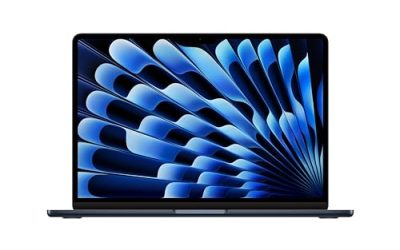
Apple MacBook Air 13-inch (M4, 256GB)

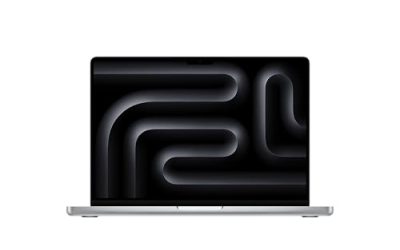
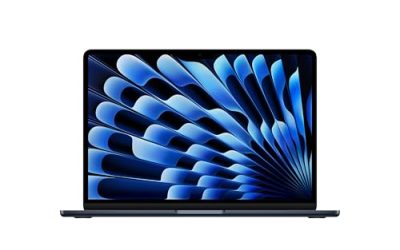
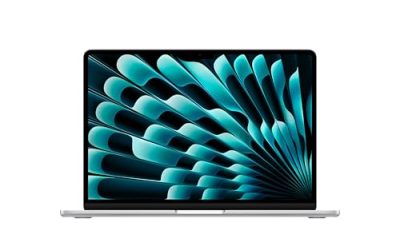
The MacBook Air covers the all-purpose brief with unusual grace: an M4 chip that handles work, study, and light creative projects, 16GB of memory, a bright 13.6-inch display, and a fanless body that stays silent on a sofa. Touch ID makes shared-household sign-in painless, and the 12MP camera flatters family calls. Its only real compromise is the 256GB drive, which cloud-centered households will manage easily and photo hoarders will not.
Specs
- Apple M4 chip
- 16GB unified memory
- 256GB SSD storage
- 13.6-inch Liquid Retina display
- 12MP Center Stage camera
- Touch ID
- Midnight finish; model MW123LL/A
Best for: Apple households wanting one silent, light laptop for work, study, and streaming.
Watch out for: Storage is the constraint: plan on cloud storage or an external drive for large photo and video libraries.
Lenovo IdeaPad Slim 3 (Ryzen 7 5825U, Touchscreen)

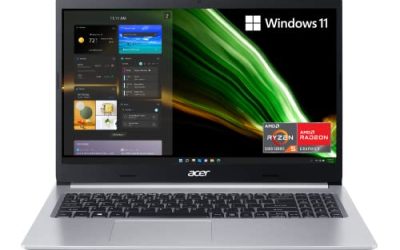
Lenovo’s IdeaPad Slim 3 configuration pairs a Ryzen 7 5825U with 16GB of memory and a 512GB SSD behind a 15.6-inch touchscreen, which is a complete all-purpose recipe on paper and in the listing. The touch panel suits kitchen browsing and family use, the processor covers work and light gaming, and the storage is sized for real life. It is the Windows pick for households that want one larger screen to share.
Specs
- 15.6-inch FHD touchscreen display
- AMD Ryzen 7 5825U, 8 cores
- AMD Radeon graphics
- 16GB DDR4 memory
- 512GB SSD storage
- Wi-Fi 6 and Bluetooth 5.2
- 720p HD camera
- Windows 11 Home
Best for: Families who want a touchscreen Windows laptop with strong everyday specifications.
Watch out for: A 15.6-inch touchscreen is a desk-and-sofa machine rather than a daily carry; check the weight in the listing if you commute.
ASUS Vivobook 15 (Ryzen 7 7730U)

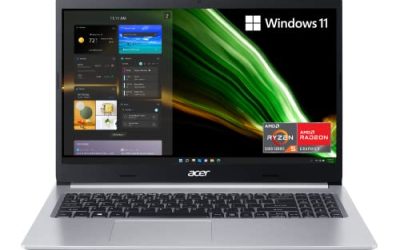
The ASUS Vivobook 15 is the understated all-rounder here: a Ryzen 7 7730U, a backlit keyboard for evening use, and Windows 11 Pro, which consumer machines rarely include. That operating system makes it equally at home on a work desk and a family table, and the 15.6-inch format leaves room for a comfortable keyboard. It lacks a touchscreen, which keeps it focused on classic laptop work done well. The mainstream chassis keeps it light enough for a daily commute between home and campus.
Specs
- 15.6-inch display
- AMD Ryzen 7 7730U, 8 cores
- Backlit keyboard as listed
- 720p HD camera
- Wi-Fi 5 and Bluetooth 5.1
- Windows 11 Pro
Best for: Home workers who want one machine that crosses between job and household without fuss.
Watch out for: Wi-Fi 5 trails the newer radios in this guide, and there is no touchscreen for tablet-style use.
Dell Inspiron 15 3530 (Core i5)

Dell’s Inspiron 15 3530 in this configuration offers a Core i5-1335U, 16GB of memory, a 512GB SSD, and a touchscreen in a mainstream Carbon Black chassis. It is the kind of laptop a household buys once and points every task at: school portals, office documents, streaming, and photo sorting. Intel Iris Xe graphics add light creative and casual gaming ability beyond basic integrated graphics, rounding out a genuinely general-purpose specification.
Specs
- 15.6-inch FHD (1920 x 1080) touchscreen display
- Intel Core i5-1335U processor
- 16GB DDR4 memory
- 512GB SSD storage
- Intel Iris Xe graphics
- Windows 11 Home
- Carbon Black finish
Best for: Households wanting a big touchscreen Dell that handles every everyday task competently.
Watch out for: It ships with Windows 11 Home, which is fine for family use but worth noting if work requires Pro features.
Lenovo ThinkPad E14 Gen 5 (Ryzen 7)

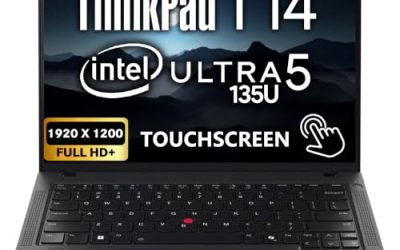
The ThinkPad E14 Gen 5 tilts the all-purpose idea toward productivity: a Ryzen 7 7730U, a backlit keyboard, a fingerprint reader, and both HDMI and Ethernet ports under Windows 11 Pro. It is the pick for someone whose mixed use is mostly work with entertainment on the side, and who values a serious keyboard over a touchscreen. In a home office that occasionally becomes a cinema, it behaves impeccably at the first job and adequately at the second.
Specs
- 14-inch FHD+ display
- AMD Ryzen 7 7730U processor
- 16GB memory
- 512GB SSD storage
- Fingerprint reader and backlit keyboard
- HDMI and RJ45 Ethernet ports
- Wi-Fi 6
- Windows 11 Pro
Best for: Remote workers whose all-purpose laptop is a work tool first and a media machine second.
Watch out for: No touchscreen, and the business design is plain compared with the consumer machines here.
Which One Fits Your Situation
One laptop for the whole household
The IdeaPad Slim 3 touchscreen or the Inspiron 3530 both fit: big screens, complete memory and storage, and designs that survive being passed around. Choose the Lenovo for its processor, the Dell if your household prefers the brand. The touchscreen also makes the Lenovo the better pick for younger students, who reach for the screen first and the trackpad second.
You work from home and stream at night
The Vivobook 15 and ThinkPad E14 split this by taste: the ASUS for a backlit, Pro-equipped generalist, the Lenovo for the better keyboard and wired ports. Both end the day as capable streaming machines. If the work half involves an employer laptop policy, the ThinkPad’s Pro edition and security hardware clear hurdles the consumer machines may not.
Your home is already Apple
The MacBook Air is the obvious anchor: silent, light, and integrated with the phones and services your household already uses. Just respect the 256GB drive and store media in the cloud. Its integration extends to accessories as well, since the same chargers and cases tend to serve the whole household’s devices.
The laptop lives on one desk
Favor the 15.6-inch machines. A fixed desk turns their size into pure benefit: bigger screens for split-screen work, roomier keyboards, and no daily penalty for the extra inches or the extra weight. On a fixed desk, add an inexpensive stand and the larger machines become comfortable all-day workstations without any further upgrade.
Common Mistakes
- Buying an 8GB, 256GB configuration for family use and watching it fill and slow within the first year.
- Paying for a gaming-grade machine when the household’s real workload is browsers, documents, and streaming.
- Ignoring the operating system and ecosystem fit, then fighting file, app, and phone compatibility daily.
- Choosing solely on screen size without deciding where the laptop will actually live and travel.
- Skipping the webcam and keyboard quality, the two parts of an all-purpose laptop everyone touches every day.
Frequently Asked Questions
What specifications make a laptop genuinely all-purpose?
Start with 16GB of memory and a 512GB SSD, which is where most listings in this guide sit, then add a current mid-range processor from Intel, AMD, or Apple. That combination handles work, study, streaming, photo management, and light gaming without drama. Below that floor, a machine becomes a specialist in compromise rather than a generalist.
Should an all-purpose laptop have a touchscreen?
Only if your habits use it. Touch helps with casual browsing, children, recipes, presentations, and signing documents. If the laptop lives on a desk with a mouse, the money is better spent on memory or storage. Two picks here include touchscreens, and the guide flags the ones that do not so you can choose deliberately.
Is a MacBook a good all-purpose choice for a Windows household?
It can be, if your software is web-based and your phones are iPhones. The MacBook Air here is silent, light, and capable, but a household invested in Windows software, accessories, and games will feel friction. All-purpose means fitting your life, and ecosystem fit is part of the specification even though it never appears in a table.
How long should an all-purpose laptop last?
Bought at the memory and storage floor this guide recommends, four to six years of everyday service is a reasonable expectation. The usual reasons for early replacement are a full drive and insufficient memory, both chosen at purchase. Spending slightly more on those two lines is the cheapest longevity insurance a general-purpose laptop offers.
Related guides
- Best Laptops to Play Roblox: From Budget Integrated Graphics to Dedicated GPUs
- Best Laptops for Zoom Teaching: Clear Video, Reliable Audio and All-Day Class Power
- Best Laptops for Video Editing and Music Production: Power, Screen and Storage
- Best Laptops for Network Engineers: Ethernet, RAM for Labs and Ports That Matter
More from Amazon
Programs that pair well with the guide above. Offers and eligibility are set by Amazon and may change.
Free shipping on eligible items, Prime Video and more. Eligible new members can start with a free trial.
Start a Prime free trialAd-free music streaming. Eligible new subscribers can start with a free trial.
Try Music Unlimited freeA Prime membership for ages 18-24 with a trial period. Eligibility is set by Amazon.
See Prime for Young AdultsAudiobooks and podcasts to listen to on the go. Eligible new members can start with a free trial.
Try Audible freeAs an Amazon Associate we earn from qualifying purchases.

Write Your Review
No reviews yet. Be the first to share your experience!