
Key takeaways
- Compare laptops for video editing and music production on CPU, GPU, memory, SSD and display, with every specification taken from the Amazon listing.
What's inside
As an Amazon Associate I earn from qualifying purchases. This post may contain affiliate links at no extra cost to you.
As an Amazon Associate we earn from qualifying purchases.
Video editing and music production ask a lot from the same laptop, but not in identical ways. Editing rewards a strong processor, a capable graphics chip, generous memory and fast storage for large project files and media libraries. Music production rewards processor headroom for instruments and effects, memory for sample libraries, quiet and reliable everyday performance, and the right ports for an audio interface, a MIDI keyboard and external drives. A good screen matters to both: editors judge color and detail on it, and producers stare at timelines and mixer views for hours.
This guide compares four laptops using only the specifications in their Amazon listings: processor, graphics, memory, storage, display and ports as listed, not invented render times or measured audio latency figures, which depend on your software, settings and projects. Use the listed hardware as a shortlist filter, then match it to the applications you actually run.
Two picks are Windows creator laptops with dedicated NVIDIA graphics and 32GB of memory. One is a compact Windows machine with a dedicated graphics chip in a 14-inch body. And one is an Apple laptop built around the M4 chip, with a high-brightness display and a port layout that includes an SD card slot and HDMI.
Disclosure: This article contains affiliate links. If you buy through a link on this page, the site may earn a commission at no additional cost to you.
Quick Picks
- Best all-round Apple pick: Apple MacBook Pro 14-inch with M4 — a 10-core CPU and 10-core GPU, 16GB of unified memory, a 512GB SSD and a Liquid Retina XDR display, plus Thunderbolt 4, HDMI, an SDXC slot and a headphone jack.
- Best compact Windows pick: ASUS ROG Zephyrus G14 (EXcaliberPC listing) — a Ryzen 9 8945HS processor, an NVIDIA GeForce RTX 4060 graphics chip, 16GB of memory and a 1TB NVMe SSD in a 14-inch laptop.
- Best for large projects and storage: MSI Creator Z16 A11UET-254 — an Intel Core i9-11900H, an NVIDIA GeForce RTX 3060, 32GB of memory, a 2TB NVMe SSD and a 16-inch QHD+ 120Hz display.
- Best creator-focused Windows alternative: ASUS ProArt StudioBook 16 H5600QM — a 16-inch 2560 x 1600 120Hz display, an AMD Ryzen 7 processor, an NVIDIA GeForce RTX 3060, 32GB of memory and a 1TB PCIe SSD.
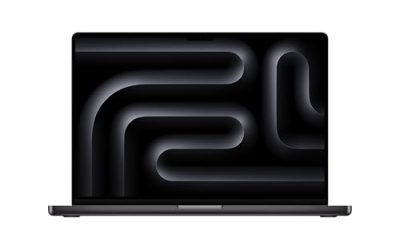
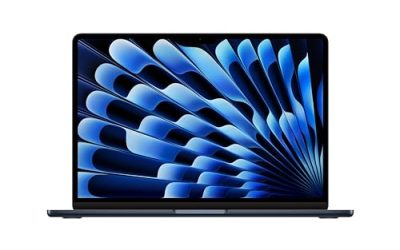
1. Apple MacBook Pro 14-Inch with M4 Chip

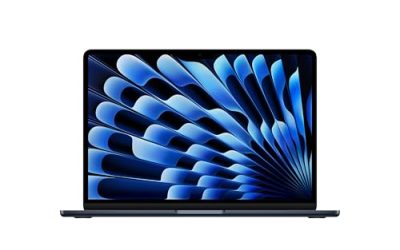
The Apple listing describes the 2024 MacBook Pro with the M4 chip, a 10-core CPU and a 10-core GPU, 16GB of unified memory and a 512GB SSD, in a 14.2-inch format. For video work, that combination targets the everyday editing mix: organizing footage, cutting timelines, applying effects and exporting finished videos, with memory shared between the processor and graphics in Apple’s unified design. For music work, the same processor headroom is what carries multiple tracks, virtual instruments and effects chains inside your audio software.
The display is a headline feature for creators. The listing describes a Liquid Retina XDR panel with up to 1600 nits peak brightness and up to 1000 nits sustained brightness, with a 1,000,000:1 contrast figure. Brightness and contrast do not by themselves prove color accuracy for your workflow, so check the full listing and your software requirements if you grade color professionally. For most editors, a bright, high-contrast 14.2-inch screen in a portable body is a practical viewing tool for timeline work and playback checks.
Audio and camera hardware are unusually relevant to this combined guide, and the listing covers both. It describes a 12MP Center Stage camera, three studio-quality microphones and six speakers with Spatial Audio and support for Dolby Atmos. Built-in speakers are never a substitute for headphones or monitors, but a clear microphone array and camera help with remote sessions, quick reference recordings, voiceovers and client calls.
Ports decide how much extra hardware you need to carry, and this listing is specific: three Thunderbolt 4 ports, a MagSafe 3 charging port, an SDXC card slot, an HDMI port and a headphone jack, with support for up to two external displays. The SDXC slot matters to editors who ingest camera cards, the HDMI port matters for a second screen or a client display, and the headphone jack matters to producers who want a simple wired monitoring option alongside any USB audio interface they connect through Thunderbolt. The listing also notes a backlit keyboard and a fingerprint reader.
Key specifications from the listing:
- Processor and graphics: Apple M4 chip, 10-core CPU and 10-core GPU
- Memory: 16GB unified memory
- Storage: 512GB SSD
- Display: 14.2-inch Liquid Retina XDR, up to 1600 nits peak brightness and up to 1000 nits sustained brightness
- Camera and audio: 12MP Center Stage camera, three studio-quality microphones, six speakers with Spatial Audio
- Ports: Three Thunderbolt 4 ports, MagSafe 3, SDXC card slot, HDMI, headphone jack
- Keyboard and security: Backlit keyboard, fingerprint reader
- Operating system: macOS
Pros:
- Strong port layout for creators, including an SDXC slot, HDMI and a headphone jack
- Bright XDR display with high listed brightness for editing and playback checks
- Microphone array and camera suit remote sessions, calls and quick recordings
- 10-core CPU and GPU in a portable 14-inch body for studio and location work
Cons:
- 512GB of internal storage fills quickly with footage, so plan for external drives
- 16GB of unified memory is the listed configuration, so check larger variants if your projects are very large
- macOS only, so confirm your editing and audio software and plugins support it
See the Apple MacBook Pro 14-inch M4 on Amazon
2. ASUS ROG Zephyrus G14 (GA403UV, EXcaliberPC Listing)

This EXcaliberPC listing for the 2024 ASUS ROG Zephyrus G14, model GA403UV-G14.R94060, specifies an AMD Ryzen 9 8945HS processor, 16GB of memory, a 1TB NVMe SSD and an NVIDIA GeForce RTX 4060 graphics card with 8GB of GDDR6 memory. The listing adds graphics detail, including ROG Boost figures of up to 1940MHz at 90W. For video editing, a dedicated graphics chip with its own memory is the feature editors look for when their software uses the GPU for effects, playback and exports. For music production, the Ryzen 9 processor is the relevant part, since audio tracks, instruments and effects are primarily processor work.
The appeal of this pick is that hardware in a 14-inch format. A compact creator laptop is easier to move between a home studio, a classroom and a location shoot, and it takes less desk space next to an audio interface and headphones. Because this is a third-party configured listing, check the full listing for the exact display specification, port layout and configuration before you order, since configured listings can differ from standard retail versions.
Storage is a practical strength. A 1TB NVMe SSD gives a working library of current video projects or sample content more room than a 512GB drive, which reduces how often you shuffle media to external storage mid-project. Memory is listed at 16GB, which suits many editing and production workloads, while producers who load very large sample libraries and editors on long, effect-heavy timelines should compare the 32GB machines below.
Key specifications from the listing:
- Processor: AMD Ryzen 9 8945HS
- Graphics: NVIDIA GeForce RTX 4060 with 8GB GDDR6 memory
- Memory: 16GB
- Storage: 1TB NVMe SSD
- Display: 14-inch class laptop (see the listing for the full panel specification)
- Operating system: Windows (see the listing for the edition supplied)
Pros:
- Dedicated RTX 4060 graphics with 8GB of its own memory for GPU-assisted editing work
- Ryzen 9 processor gives strong headroom for audio tracks and effects
- 1TB SSD holds a useful working set of projects and media
- Compact 14-inch format suits creators who move between spaces
Cons:
- 16GB of memory, while the two 16-inch Windows picks below list 32GB
- Configured seller listing, so verify the full specification on the product page
- Check the listing for display and port details before relying on them
See the ASUS ROG Zephyrus G14 on Amazon
3. MSI Creator Z16 A11UET-254

The MSI Creator Z16 listing, model A11UET-254, is the storage and memory heavyweight of this guide. It specifies an Intel Core i9-11900H processor, an NVIDIA GeForce RTX 3060 graphics chip, 32GB of DDR4 memory and a 2TB NVMe SSD. For video editing, 32GB of memory supports larger timelines and multitasking between an editor, a browser and media tools, while a 2TB internal drive holds a substantial working library of footage without constant archiving. For music production, the same memory headroom is what large sample libraries ask for, and the processor carries the track and plugin load.
The display specification is creator-focused in the listing title itself: a 16-inch QHD+ panel at 120Hz with a 100% DCI-P3 color gamut figure. A wider color gamut and a higher resolution than Full HD give editors more to judge on screen, and the larger 16-inch canvas suits detailed timeline and mixer views. As with every display claim in this guide, treat the listing figures as the starting point and match them against the delivery requirements of your own work.
Connectivity in the title includes Thunderbolt 4, listed as TB4, which is the port producers and editors use for fast external drives, docks and audio interfaces. The operating system in this listing is Windows 10 Pro. That detail matters: check that your editing applications, audio software, plugins and interface drivers support the supplied operating system, or plan an upgrade path, before you commit to this configuration.
This model is an earlier-generation creator laptop than the newest machines here. Its case rests on capacity: the largest internal storage in this guide, joint-largest memory, a dedicated graphics chip and a big high-resolution display. If your projects are large and your media library travels with you, those listed figures are the argument.
Key specifications from the listing:
- Processor: Intel Core i9-11900H
- Graphics: NVIDIA GeForce RTX 3060
- Memory: 32GB DDR4
- Storage: 2TB NVMe SSD
- Display: 16-inch QHD+ at 120Hz, with a 100% DCI-P3 figure in the listing title
- Ports: Thunderbolt 4 (listed as TB4; see the listing for the full port layout)
- Operating system: Windows 10 Pro
Pros:
- 2TB SSD is the largest internal storage in this guide
- 32GB of memory suits large timelines and sample-heavy sessions
- QHD+ 120Hz display with a wide color gamut figure for detailed work
- Dedicated RTX graphics and Thunderbolt 4 for drives, docks and interfaces
Cons:
- Windows 10 Pro is the listed operating system, so verify software support first
- Earlier-generation platform than the newest picks in this guide
- A 16-inch creator laptop is a desk-first machine rather than an ultralight carry
See the MSI Creator Z16 on Amazon
4. ASUS ProArt StudioBook 16 H5600QM

The ASUS ProArt StudioBook 16 listing, model H5600QM-AH78, describes a creator laptop with a 16-inch display at 2560 x 1600 resolution and 120Hz, an AMD Ryzen 7 processor, 32GB of DDR4 memory, a 1TB PCIe SSD and an NVIDIA GeForce RTX 3060 graphics chip with 6GB of GDDR6 memory, running Windows 11 Home. The listing also describes the graphics as RTX Studio Ready, which is the positioning ASUS gives this line for creative applications.
For video editing, the balance here is even: a dedicated graphics chip for GPU-assisted work, 32GB of memory for larger projects and multitasking, and a 1TB SSD that holds a sensible working set of footage and project files. The 2560 x 1600 display gives more vertical room than a Full HD panel, which helps when an editor needs a timeline, preview and panels on screen together, and the same extra space benefits a producer working with a full mixer and arrangement view.
For music production, the processor and memory are the core of the offer. Audio sessions grow quietly: a few instrument tracks become dozens, each with its own effects, and sample libraries load into memory. A 32GB configuration gives that growth more room than a 16GB machine, and 1TB of storage is a practical middle ground for project files and libraries. As with the other Windows picks, confirm the full port layout and exact configuration on the product page before ordering.
Key specifications from the listing:
- Processor: AMD Ryzen 7
- Graphics: NVIDIA GeForce RTX 3060 with 6GB GDDR6 memory
- Memory: 32GB DDR4
- Storage: 1TB PCIe SSD
- Display: 16-inch, 2560 x 1600, 120Hz
- Operating system: Windows 11 Home
Pros:
- 32GB of memory and a dedicated RTX graphics chip in one creator configuration
- High-resolution 16-inch display suits timelines, panels and mixer views
- 1TB SSD balances project space with a portable single-drive setup
- Windows 11 Home as listed, matching current creative software requirements
Cons:
- The listing summary is brief on ports, so confirm the layout on the product page
- 1TB fills with raw footage over time, so archive to external storage
- A 16-inch body is best for a main studio desk rather than constant travel
See the ASUS ProArt StudioBook 16 on Amazon
How to Choose a Laptop for Video Editing and Music Production
Balance the processor, graphics and memory instead of chasing one figure. Video editing uses all three: the processor drives the application, the graphics chip assists effects and playback in many editors, and memory holds the project. Music production leans hardest on the processor and memory, because tracks and effects are processed in real time and sample libraries load into RAM. A 32GB configuration gives both jobs more headroom, while 16GB remains workable for smaller projects.
Treat storage as working space, not just capacity. Footage, project files and sample libraries are large, and a nearly full SSD is a workflow problem. The picks here range from 512GB to 2TB. If you shoot a lot of video, assume external drives will join your setup whatever you buy, and choose internal storage for current projects rather than your whole archive.
Judge the screen on the figures the listing actually gives: size, resolution, brightness and any color gamut statement. Editors who deliver color-critical work should match those figures to their delivery standard. Producers should value screen space and resolution, because arrangement and mixer views reward every extra pixel.
Check ports against your existing gear before you buy: an audio interface, a MIDI keyboard, external drives, a card reader and a second display. Confirm the listing covers them, or budget for a dock or hub. A built-in SD card slot and HDMI port, where listed, remove two common adapters from an editor’s bag, and a headphone jack remains the simplest wired monitoring option.
Finally, check the operating system and configuration on the exact listing. The picks here include macOS, Windows 11 and a Windows 10 Pro configuration, and your software, plugins and interface drivers decide which are viable.
FAQs
How much memory do I need for video editing and music production?
For smaller projects, 16GB is workable. For long timelines, effects-heavy edits or large sample libraries, the 32GB configurations here give you more headroom.
Does the graphics chip matter for music production?
Music production is mainly processor and memory work. A dedicated graphics chip matters far more for video editing, where many applications use it for effects, playback and exports. Producers who also edit video get value from it; audio-only producers should prioritize the CPU and RAM figures.
How much SSD storage should I choose?
Choose for your current projects, not your entire archive. A 512GB drive suits smaller workloads with external storage alongside, 1TB is a comfortable working size, and the 2TB configuration here suits creators who carry a large media or sample library on the laptop itself.
What ports should a creator laptop have?
Match the listing to your gear: a fast USB or Thunderbolt connection for drives and audio interfaces, HDMI for a second display, an SD card slot if you ingest camera media, and a headphone jack for simple wired monitoring. Where a listing is brief, confirm the full layout on the product page.
Can one laptop really serve both editing and production?
Yes, because the core demands overlap: processor headroom, memory, fast storage and a good screen. Weight your choice toward the job you do most, using the listing specifications for the exact configuration.
Conclusion
For a single laptop that records, produces, edits and exports, the shortlist comes down to emphasis. The MacBook Pro with M4 offers a bright XDR display, a creator-friendly port layout and strong listed camera and audio hardware in a 14-inch body. The Zephyrus G14 packs a dedicated RTX 4060 and a Ryzen 9 processor into the most portable Windows option here. The Creator Z16 leads on capacity, with 32GB of memory and a 2TB SSD behind a QHD+ display. The ProArt StudioBook 16 balances 32GB of memory, RTX graphics and a high-resolution 16-inch screen in a purpose-built creator design. Compare the listing specifications against your software, your projects and your existing gear, and confirm the exact configuration on the Amazon product page before you order.
Related guides
- Best Laptops to Play Roblox: From Budget Integrated Graphics to Dedicated GPUs
- Best Laptops for Zoom Teaching: Clear Video, Reliable Audio and All-Day Class Power
- Best Laptops for Network Engineers: Ethernet, RAM for Labs and Ports That Matter
- Best Laptops for Digital Nomads: Light Machines for Working From Anywhere
More from Amazon
Programs that pair well with the guide above. Offers and eligibility are set by Amazon and may change.
Free shipping on eligible items, Prime Video and more. Eligible new members can start with a free trial.
Start a Prime free trialAd-free music streaming. Eligible new subscribers can start with a free trial.
Try Music Unlimited freeA Prime membership for ages 18-24 with a trial period. Eligibility is set by Amazon.
See Prime for Young AdultsAudiobooks and podcasts to listen to on the go. Eligible new members can start with a free trial.
Try Audible freeAs an Amazon Associate we earn from qualifying purchases.
Write Your Review
No reviews yet. Be the first to share your experience!