
Key takeaways
- Discover the best women's sneakers for walking long distances, with lasting cushioning, blister protection and light, breathable comfort for many miles.
What's inside
As an Amazon Associate I earn from qualifying purchases. This post may contain affiliate links at no extra cost to you.
The best women’s sneakers for walking long distances are not the shoes that feel best for the first mile. They are the shoes that still feel good at mile eight, mile twelve, or mile fifteen, when your feet are warm, a little swollen, and tired. Long-distance walking is a different challenge from a short stroll or a commute. Cushioning has to last, the upper has to stay comfortable as your feet change shape through the day, and small irritations that you barely notice early on can turn into blisters, hot spots, and sore joints by the afternoon.


This guide is for walkers who cover serious distance on foot: charity walks, multi-day hikes on paved paths, long sightseeing days, walking holidays, and training walks that build up over weeks. The shoes below are cushioned road sneakers with proven comfort over many miles, chosen for endurance rather than speed. They are not racing shoes, and they are not heavy boots. They sit in the middle ground where most long-distance walkers actually live: soft enough to protect your feet, light enough to carry for hours, and durable enough to keep their cushioning from one long walk to the next.
Long walks also reward preparation. The right shoe helps enormously, but so do the right socks, a sensible break-in plan, and a fit that leaves room for swelling.
How to Choose
1. Cushioning that lasts the whole walk
The most important quality in a long-distance walking shoe is cushioning that does not fade. Some foams feel wonderful for the first hour and then compress into a thin, hard layer. Look for a thick midsole made from a resilient foam that is designed for high mileage, such as a nitrogen-infused foam or a dense, springy EVA blend. When you press the midsole, it should bounce back quickly. A shoe with a very soft, marshmallow feel can be comfortable at first, but if it lacks resilience, your feet will feel the ground more and more as the miles add up. The best long-distance shoes balance softness with a firm enough base to keep working late in the day.
2. Light weight over many miles
Weight matters more on a long walk than on a short one. An extra ounce per shoe may seem trivial in the shop, but over ten thousand steps it adds up to a real burden on your legs and feet. Look for a shoe that feels light in the hand while still offering a thick midsole. Modern cushioned shoes can be both light and protective, thanks to lighter foams and mesh uppers. Avoid shoes with heavy leather uppers or thick, rigid soles for long-distance walking, unless you need them for ankle support on rough ground. If you are choosing between two similar shoes, the lighter one will usually feel better after mile ten.
3. A blister-proof fit and a smooth interior
Blisters are the most common reason long walks end early, and they are almost always a fit problem. Look for a shoe with a smooth interior, no raised seams across the toes or heel, and a heel collar that grips without rubbing. The toe box should be roomy enough for your toes to spread as they swell, and the lacing should let you adjust the fit across the midfoot. Try shoes on with the socks you will actually walk in, and walk around the shop for at least ten minutes. Pay attention to any rubbing at the heel, the little toe, or the top of the foot. A small irritation in the shop will become a large one on a long walk.
4. Breathability and moisture control
Feet sweat on long walks, and damp skin blisters far more easily than dry skin. A breathable mesh upper lets heat and moisture escape, keeping your feet drier and cooler. Look for an upper with visible mesh panels and a lining that wicks moisture away from the skin. Avoid waterproof membranes for warm-weather long walks, because they trap heat and sweat inside the shoe. In cooler weather, a slightly more closed upper is fine, but breathability should still be a priority. Pair the shoe with moisture-wicking walking socks, and consider carrying a spare pair on very long days so you can change into dry socks at the halfway point.
5. A stable base and a smooth roll
Over many miles, a stable shoe protects your knees and ankles from fatigue. Look for a wide base under the heel and forefoot, which gives the shoe a planted feel, and a gentle rocker or beveled heel that helps the foot roll forward smoothly. A shoe that wobbles or forces your foot to work hard to stay balanced will tire you out faster. At the same time, the shoe should not be so stiff that it fights your natural stride. Flex the shoe in your hands: it should bend at the ball of the foot, where your foot naturally bends, and not in the middle of the arch. A shoe that bends in the wrong place can cause arch pain over a long walk.
6. Durable outsoles and uppers for high mileage
Long-distance walking puts more miles on a shoe in a single month than casual walking does in a season. Check that the outsole has full rubber coverage in the areas that wear fastest: the outer heel and the forefoot. Exposed foam in those areas will wear down quickly and can change the way the shoe feels. The upper should also be durable, with reinforced overlays in places where the shoe flexes and where your toes push against the mesh. A shoe that looks worn out after a few long walks is a sign that it was not built for the mileage you are asking of it.
7. Break-in and rotation
Even the best long-distance shoe needs a break-in period, and the best way to break one in is gradually. Wear a new pair for short walks first, then build up the distance over a week or two. Never wear a brand-new pair for a fifteen-mile walk on the first day. If you walk long distances regularly, consider rotating two pairs. Foam recovers better when it has a day to rest, and rotation also means you always have a dry pair ready. Keep a simple log of the miles you walk in each pair, so you know when the cushioning is starting to fade.
Top Picks
Brooks Glycerin 21
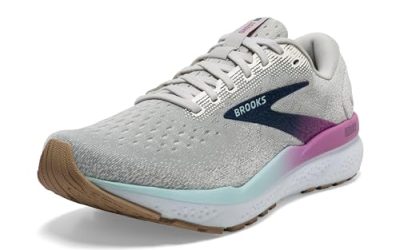
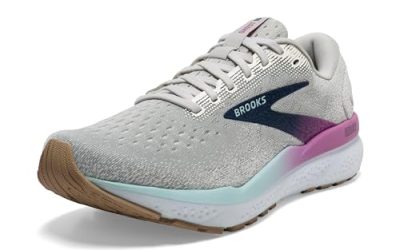
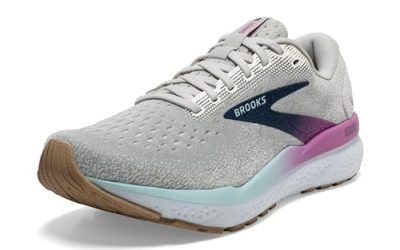
The Brooks Glycerin 21 is Brooks’s softest neutral trainer, built around a thick layer of DNA Loft v3 foam that is designed to stay comfortable over high mileage. It is a shoe that feels plush from the first step and, more importantly, keeps feeling plush when the miles pile up. The 10 mm heel-to-toe drop suits heel strikers, and the wide platform under the foot gives a stable, planted feel that helps on long, steady walks. The engineered mesh upper is breathable and has a comfortable, slightly roomy fit.
Key specs include a DNA Loft v3 midsole, a breathable engineered mesh upper, a durable rubber outsole, and a neutral support type with a wide, stable base. It suits walkers who want maximum softness for long days on foot, and those who have tried firmer shoes and found them tiring after several miles. It is a strong choice for charity walks, walking holidays, and long sightseeing days where you will be on your feet from morning until evening.
Points to note: the Glycerin 21 is a soft shoe, so walkers who need firm arch support may want to try it with a supportive insole. It is also a fairly substantial shoe, so if you prefer a feather-light feel, a lighter model may suit you better.
Hoka Bondi 8
The Hoka Bondi 8 is Hoka’s most cushioned road shoe, with a thick stack of soft foam and a wide base that spreads impact over a large area. It is built for walkers and runners who want the softest possible ride for many miles, and its Meta-Rocker geometry helps the foot roll forward smoothly, which reduces fatigue over a long day. Despite the thick sole, the shoe is lighter than it looks, and the breathable mesh upper keeps feet cool.
Key specs include a thick, soft EVA midsole, a Meta-Rocker sole shape, a breathable mesh upper, and a wide platform for stability. It suits walkers with sensitive feet, sore knees, or a history of foot pain on long walks, and those who want a shoe that does the cushioning work for them. It is a good choice for slow, steady long walks where comfort matters more than speed, and for walkers who cover many miles on paved paths and city streets.
Points to note: the Bondi 8 is a maximal shoe, so it looks and feels substantial. Walkers who like a close-to-the-ground feel may find it too high-stacked. The rocker shape takes a short while to get used to, especially if you are coming from a flat shoe. It is also a road shoe, so it is not built for rough, uneven trails. For long-distance walking on paved surfaces, though, its deep cushioning and smooth roll make it one of the most forgiving shoes you can wear.
ASICS Gel-Nimbus 26
The ASICS Gel-Nimbus 26 is the softest shoe in the ASICS road range, and it is designed for high-mileage comfort. Its FF Blast Plus Eco foam midsole is paired with a PureGEL unit under the heel, which absorbs shock at the point of impact and helps protect the heel over many miles. The knit upper fits like a sock and moves with the foot as it swells, which is a real advantage on long walks. The 8 mm drop gives a balanced feel that works for heel strikers and midfoot walkers alike.
Key specs include a PureGEL heel unit, FF Blast Plus Eco cushioning, a soft engineered knit upper, and a durable AHAR rubber outsole. It suits walkers who want a plush, protective shoe for long distances, and those whose heels or knees feel the miles first. It is a strong choice for multi-day walking, where the same pair has to perform day after day, and for walkers who need a shoe that stays comfortable when their feet are tired.
Points to note: the Nimbus 26 is soft, so it is not the firmest option for walkers who need strong arch control. The knit upper is comfortable but can feel warm in very hot weather, so choose a light, moisture-wicking sock in summer. The shoe is also a premium cushioned model, and its softness means it prioritises comfort over a firm, responsive feel. For long-distance comfort, that trade-off is usually worth it.
New Balance Fresh Foam X 1080v14
The New Balance Fresh Foam X 1080v14 is a plush neutral trainer with a thick Fresh Foam X midsole that offers a soft, smooth ride over many miles. Its 6 mm drop is lower than many cushioned shoes, which gives it a natural, balanced feel, and the breathable mesh upper has a comfortable fit that works well as feet swell during a long walk. It comes in multiple widths, including wide and extra-wide, which is a genuine benefit for walkers who need a roomy toe box.
Key specs include a Fresh Foam X midsole, a breathable engineered mesh upper, a durable rubber outsole, and a wide range of width options. It suits walkers who want a soft, even cushioning feel with a little more ground contact than a very high-stacked shoe, and those who struggle to find a comfortable fit in standard widths. It is a strong all-day shoe for walking holidays, long city days, and training walks that build up over weeks.
Points to note: the 1080v14 is soft and flexible, so it does not offer the firm support that a walker with very low arches might need. The outsole is durable for road and pavement use, but the shoe is not intended for rough trails. If you are between sizes, try the wide version rather than sizing up in length, because extra length can cause the foot to slide forward on downhill stretches. For a soft, roomy, long-distance walker, it is a reliable and comfortable choice.
Comparison Table
| Shoe | Cushioning | Heel-to-Toe Drop | Upper | Best For |
|---|---|---|---|---|
| Brooks Glycerin 21 | Deep, soft DNA Loft v3 foam | Around 10 mm | Breathable engineered mesh | Maximum softness over many miles |
| Hoka Bondi 8 | Thick, soft EVA with Meta-Rocker | Around 4 mm | Breathable mesh | Sensitive feet and steady long walks |
| ASICS Gel-Nimbus 26 | Plush FF Blast Plus Eco with PureGEL heel | Around 8 mm | Soft engineered knit | Heel protection and multi-day walking |
| New Balance Fresh Foam X 1080v14 | Plush Fresh Foam X | Around 6 mm | Breathable mesh, wide options | Roomy fit and natural long-distance feel |
Which One Is Right for You?
If you want the softest possible shoe and you walk long distances at a steady pace, start with the Brooks Glycerin 21. Its deep, resilient foam is built for high mileage, and its stable base helps when your legs get tired late in the day. It is the pick for walkers who finish a long day with aching feet and want a shoe that takes the edge off every step.
If your feet or knees are sensitive and you want the most forgiving ride you can get, choose the Hoka Bondi 8. Its thick cushioning and rocker shape do a lot of the work for you, and its wide base feels planted and secure. Try it first if you have not worn a maximal shoe before, and give yourself a short walk to get used to the height and the roll.
If heel pain is your main concern, choose the ASICS Gel-Nimbus 26. Its PureGEL heel unit is designed for exactly the kind of repeated heel impact that long walks deliver, and its knit upper adapts as your feet swell. It is a good choice for multi-day walking, where the same pair has to perform again the next morning.
If fit is your biggest challenge, especially a wide forefoot, choose the New Balance Fresh Foam X 1080v14. Its width options and sock-like upper make it easier to get a comfortable fit, and its soft midsole is forgiving over many miles. Whichever you choose, break the shoes in gradually, wear moisture-wicking socks, and carry a spare pair on your longest days.
Frequently Asked Questions
How do I prevent blisters on long walks?
Blisters come from friction, moisture, and heat, so address all three. Choose a shoe with a smooth interior and a roomy toe box, wear moisture-wicking socks that fit well without wrinkles, and break new shoes in gradually before a long walk. Apply a blister prevention balm or tape to areas that have rubbed before, and change into dry socks at the halfway point on very long days. If a hot spot develops, stop and cover it early rather than walking through it.
How far can I walk in cushioned sneakers before they wear out?
Cushioned sneakers are built for high mileage, but the foam does compress over time. A common guide is to replace a daily walking shoe after several hundred miles, but the real signs matter more than a number: a midsole that no longer springs back, an outsole worn smooth at the heel, or new aches after walks that used to feel fine. Keep a simple log of your miles, rotate two pairs if you walk regularly, and replace a pair when it stops feeling as cushioned as it did when new.
Should I size up for long-distance walking?
Many walkers go up half a size for long-distance shoes, because feet swell over many miles and a shoe that fits in the morning can pinch by the afternoon. A better approach is to try shoes on late in the day, when your feet are at their largest, and leave about a thumb’s width between your longest toe and the end of the shoe. If you are between sizes, try the wide version first rather than sizing up in length, because extra length can cause the foot to slide forward on downhill stretches.
What socks should I wear for long-distance walking?
Choose moisture-wicking walking socks made from a synthetic blend or merino wool, rather than cotton, which holds moisture and increases friction. The socks should fit smoothly, without wrinkles or loose material, and have cushioning under the heel and forefoot. Some walkers prefer a double-layer sock or a thin liner sock under a walking sock to reduce friction. Whichever you choose, try the socks with the shoes before a long walk, and carry a spare pair so you can change into dry socks halfway through.
Disclosure: As an Amazon Associate, we may earn from qualifying purchases.
Related guides
- Best Women’s Sneakers for Walking on Concrete: Cushioned Picks for Hard Pavement
- Best Women’s Sneakers for Walking in Italy: Comfort for Cobblestones and Hills
- Best Women’s Sneakers for Walking Around Europe: Comfort for Cobblestones and City Days
- Best Women’s Sneakers for Walking and Standing: All-Day Comfort for Long Shifts
More from Amazon
Programs that pair well with the guide above. Offers and eligibility are set by Amazon and may change.
Free shipping on eligible items, Prime Video and more. Eligible new members can start with a free trial.
Start a Prime free trialAd-free music streaming. Eligible new subscribers can start with a free trial.
Try Music Unlimited freeA Prime membership for ages 18-24 with a trial period. Eligibility is set by Amazon.
See Prime for Young AdultsAudiobooks and podcasts to listen to on the go. Eligible new members can start with a free trial.
Try Audible freeAs an Amazon Associate we earn from qualifying purchases.
Write Your Review
No reviews yet. Be the first to share your experience!