
Our Short List of 3

- Best for: A first gaming laptop for 1080p play on a modest outlay.
- Processor: Intel Core i5-13420H
- Graphics: NVIDIA GeForce RTX 4050 Laptop GPU, 6GB GDDR6
- Memory: 8GB DDR5
- Storage: 512GB Gen 4 SSD

- Best for: One laptop for classes, office work and evening games.
- Processor: AMD Ryzen 5 8645HS, up to 5.0 GHz max boost clock
- Graphics: NVIDIA GeForce RTX 4050 Laptop GPU, 6GB GDDR6 dedicated
- Memory: 8GB DDR5-5600
- Storage: 512GB PCIe Gen4 NVMe M.2 SSD
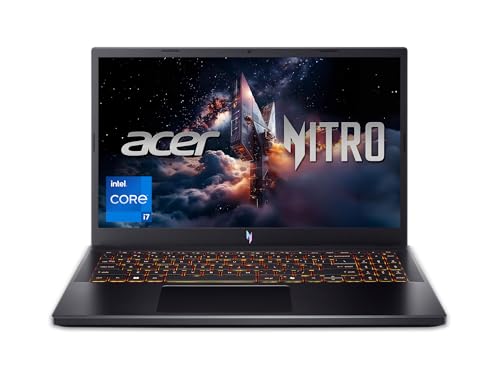
- Best for: A larger game library and heavier multitasking without stepping up to a new graphics tier.
- Processor: Intel Core i7-13620H
- Graphics: NVIDIA GeForce RTX 4050 Laptop GPU, 6GB GDDR6
- Memory: 16GB DDR5, 2 slots, maximum 32GB
- Storage: 1TB PCIe Gen 4 SSD
All 4 Picks at a Glance
| Product | Specs | Action |
|---|---|---|
| Acer Nitro V 15 (ANV15-51-51H9) |
| Check price on Amazon |
| HP Victus 15 (15-fb2082wm) |
| Check price on Amazon |
| Acer Nitro V 15 (ANV15-52-76NK) |
| Check price on Amazon |
 ASUS ROG Zephyrus G14 (2024) |
| Check price on Amazon |
Key takeaways
- Four gaming laptops across the entry, mid-range and premium tiers, compared by graphics, memory, storage and screen to match a machine to how you play.
What's inside
As an Amazon Associate I earn from qualifying purchases. This post may contain affiliate links at no extra cost to you.
Shopping for a gaming laptop across every tier is a decision about where your money stops mattering and where it shows up on screen. An entry-level machine with a capable graphics card can run the games most play, while a premium laptop buys a brighter screen, a lighter chassis and future headroom. The mistake is treating the tiers as a ladder you must climb, when the right rung depends on the games in your library, the screen you stare at, and how often the laptop leaves your desk.
This guide is for first-time buyers, students who need one machine for classes and games, and players upgrading from a laptop that can no longer keep up. Each laptop below was picked from its Amazon listing by weighing the graphics card, processor, memory, storage and display as a package, and the picks span the entry, mid-range and premium tiers so you can see what each step up adds. Listings change often, so check the current configuration and availability on Amazon before ordering.
Quick Picks
As an Amazon Associate we earn from qualifying purchases.
| Product | Best for | Key spec from title |
|---|---|---|
| Acer Nitro V 15 (ANV15-51-51H9) | A first gaming laptop with solid 1080p performance | RTX 4050, 15.6-inch FHD IPS 144Hz, 8GB DDR5 |
| HP Victus 15 (15-fb2082wm) | Everyday gaming plus school or office work | RTX 4050, Ryzen 5 8645HS, 15.6-inch FHD 144Hz |
| Acer Nitro V 15 (ANV15-52-76NK) | A step up in memory, storage and screen speed | RTX 4050, Core i7-13620H, 15.6-inch FHD IPS 165Hz |
| ASUS ROG Zephyrus G14 (2024) | Premium portable gaming with an OLED display | RTX 4060, Ryzen 9 8945HS, 14-inch 3K 120Hz OLED |
How to Choose
Match the graphics card to the games you actually play
The graphics card sets the ceiling for what a laptop can run, so start with your library rather than the spec sheet. Competitive titles and older games run well on an RTX 4050 at 1080p, while sprawling open-world games with ray tracing lean on an RTX 4060 and more video memory. A card stronger than your games need will sit idle most of the time, and a weaker card will force you to lower settings in the titles you play most. Look at the exact GPU model in the listing title and compare it against the recommended requirements of two or three games you already own before deciding which tier fits.
Treat memory and storage as the real tier divider
Between tiers, the jump in memory and storage often matters more than the jump in graphics. Eight gigabytes of RAM is workable for gaming alone, but it tightens quickly once a browser, voice chat and a game share the machine, while 16GB leaves room for multitasking and for newer titles that expect more. Storage follows the same pattern: a 512GB drive holds a handful of large games before you start uninstalling, whereas 1TB gives a library room to grow. Check whether the listing states the memory type and speed, whether the storage is a fast NVMe drive, and whether the laptop has a spare slot for a later upgrade.
Read the screen before you read the brand
The screen is the part you look at every minute you play, yet it is where lower-tier laptops cut corners most quietly. A 144Hz panel makes fast games feel smoother than a 60Hz one, and an IPS panel keeps colors steady when you tilt the lid, while a dim panel washes out in a bright room. At the premium end, an OLED display adds deeper blacks and sharper contrast that show up in dark scenes. Read the listing for panel type, refresh rate, resolution and brightness together, and treat a laptop with a strong GPU but a slow, dim screen as a machine that will never feel as fast as its specification sheet promises.
Weigh weight, cooling and ports against raw power
A gaming laptop has to live somewhere, and the fastest machine is no good if you dread carrying it. Fifteen-inch models around four and a half pounds suit a desk that occasionally moves, while a 14-inch laptop near three and a third pounds fits a bag you carry every day. Cooling decides whether that power holds up: dual fans and rear exhausts keep frame rates steady during long sessions, and a thin chassis that runs hot will throttle sooner than its specs suggest. Count the ports too, because a Thunderbolt port, an HDMI output and enough USB ports decide whether your monitor, headset and external drive all connect without a dongle hanging off the side.
The 4 Best Options
Acer Nitro V 15 (ANV15-51-51H9)
- Best for: A first gaming laptop for 1080p play on a modest outlay.
- Processor: Intel Core i5-13420H
- Graphics: NVIDIA GeForce RTX 4050 Laptop GPU, 6GB GDDR6
- Memory: 8GB DDR5
- Storage: 512GB Gen 4 SSD
A first gaming laptop for 1080p play on a modest outlay.
The 8GB of memory is a single-channel starting point, so check whether the listing configuration can be upgraded before you order if you multitask while gaming.
The Nitro V 15 is the entry point that makes the rest of this guide make sense. Its 13th Gen Intel Core i5 processor and RTX 4050 graphics handle popular competitive and story-driven games at 1080p without demanding a premium-tier outlay, and the 144Hz IPS display keeps motion smooth in fast matches. Eight gigabytes of memory and a 512GB drive are the honest trade-offs at this tier, so this is the pick for a first gaming laptop, a younger player, or anyone whose library leans toward esports titles and older releases rather than the newest blockbusters at maximum settings.
Watch out for: The 8GB of memory is a single-channel starting point, so check whether the listing configuration can be upgraded before you order if you multitask while gaming.
HP Victus 15 (15-fb2082wm)
- Best for: One laptop for classes, office work and evening games.
- Processor: AMD Ryzen 5 8645HS, up to 5.0 GHz max boost clock
- Graphics: NVIDIA GeForce RTX 4050 Laptop GPU, 6GB GDDR6 dedicated
- Memory: 8GB DDR5-5600
- Storage: 512GB PCIe Gen4 NVMe M.2 SSD
One laptop for classes, office work and evening games.
Like other entry-tier machines, it ships with 8GB of memory, so confirm the upgrade path on the listing if you plan to keep many apps open alongside a game.
The Victus 15 suits buyers who want a gaming laptop that does not look or feel like a gaming laptop all day. Its AMD Ryzen 5 processor and RTX 4050 graphics cover the same 1080p ground as the entry-level Nitro, while the full-size backlit keyboard with a numeric keypad and the restrained mica silver finish make it comfortable for essays, spreadsheets and video calls. The 144Hz IPS panel is bright enough for a shared room, and the machine stays practical as a daily carry because it keeps the ports and battery behavior of a general-purpose laptop.
Watch out for: Like other entry-tier machines, it ships with 8GB of memory, so confirm the upgrade path on the listing if you plan to keep many apps open alongside a game.
Acer Nitro V 15 (ANV15-52-76NK)
- Best for: A larger game library and heavier multitasking without stepping up to a new graphics tier.
- Processor: Intel Core i7-13620H
- Graphics: NVIDIA GeForce RTX 4050 Laptop GPU, 6GB GDDR6
- Memory: 16GB DDR5, 2 slots, maximum 32GB
- Storage: 1TB PCIe Gen 4 SSD
A larger game library and heavier multitasking without stepping up to a new graphics tier.
The graphics card is the same RTX 4050 as the entry-level model, so do not expect higher frame rates in demanding titles just because the memory and storage doubled.
This second Nitro V 15 shows what the next tier up actually buys. The Core i7 processor, 16GB of DDR5 memory and 1TB Gen 4 SSD remove the two limits of the entry-level configuration, so games load faster, more of them stay installed, and background apps stop competing with the game for memory. The 165Hz display adds a small but visible smoothness gain in fast titles, and the Thunderbolt 4 port turns the laptop into a dock-friendly desk machine. It is the pick for a player who already knows they will keep a large library installed and wants a machine that stays comfortable for years.
Watch out for: The graphics card is the same RTX 4050 as the entry-level model, so do not expect higher frame rates in demanding titles just because the memory and storage doubled.
ASUS ROG Zephyrus G14 (2024)
- Best for: Premium portable gaming with an OLED screen in a light 14-inch chassis.
- Processor: AMD Ryzen 9 8945HS, 8 cores, up to 5.2 GHz
- Graphics: NVIDIA GeForce RTX 4060, 8GB GDDR6
- Memory: 16GB LPDDR5X-6400
- Storage: 1TB PCIe 4.0 NVMe SSD
Premium portable gaming with an OLED screen in a light 14-inch chassis.
The memory is soldered onto the board, so the 16GB configuration is fixed for the life of the machine; confirm the exact configuration on the listing before ordering.
The Zephyrus G14 is the premium answer for players who carry their laptop everywhere and refuse to give up a great screen to do it. At about three and a third pounds, it is the lightest machine in this guide, yet it pairs a Ryzen 9 processor with an RTX 4060 and a 14-inch 3K OLED display running at 120Hz, so dark scenes gain depth and colors gain punch that a standard IPS panel cannot match. The 16GB of fast LPDDR5X memory and 1TB NVMe drive keep the package balanced, and the slim aluminum chassis looks at home in a meeting as well as on a desk full of peripherals.
Watch out for: The memory is soldered onto the board, so the 16GB configuration is fixed for the life of the machine; confirm the exact configuration on the listing before ordering.
Which One Fits Your Situation
You are buying your first gaming laptop and want the simplest choice
Pick the Acer Nitro V 15 (ANV15-51-51H9). Its RTX 4050 and 144Hz display cover the games most new players actually start with, and the straightforward configuration leaves nothing to configure. If your library grows past the 512GB drive, an external drive or a later internal upgrade handles it, and the money saved stays available for a headset or a mouse.
You need one laptop for classes, work and games
Pick the HP Victus 15 (15-fb2082wm). The Ryzen 5 processor and RTX 4050 graphics handle coursework and evening games with equal ease, while the full-size keyboard with a numeric keypad suits long typing sessions. Its restrained design draws no attention in a lecture hall, and the 144Hz screen still makes competitive games feel responsive when the work is done.
You keep a large library installed and multitask while you play
Pick the Acer Nitro V 15 (ANV15-52-76NK). The 16GB of memory and 1TB drive end the constant uninstalling that a 512GB machine forces on you, and the 165Hz screen and Thunderbolt 4 port make it a stronger desk setup. The graphics card stays at RTX 4050 level, so this is a comfort and capacity upgrade rather than a jump in raw gaming power.
You travel light and want the best screen in the guide
Pick the ASUS ROG Zephyrus G14 (2024). The 3K OLED display is the clearest step up in image quality here, and the 14-inch chassis at about three and a third pounds fits bags that a 15-inch machine strains. The RTX 4060 adds headroom for more demanding titles, making this the right pick when portability and picture quality matter as much as frame rates.
Common Mistakes
- Choosing a tier by the graphics card alone and ignoring the memory, storage and screen that surround it.
- Buying 8GB of memory for a machine that will run a game, a browser and voice chat at the same time without checking the upgrade path first.
- Assuming a higher-tier laptop automatically runs games faster, when a mid-tier upgrade may only add memory and storage.
- Picking a dim, slow screen because the GPU looked impressive, then living with washed-out visuals every session.
- Ordering without confirming the exact model number and configuration on the Amazon listing, since similar model names can hide different memory, storage or display options.
Frequently Asked Questions
Can an entry-level gaming laptop run current games?
Yes, for most games at 1080p. An RTX 4050 machine like the two entry-level picks here handles competitive titles and many story-driven games at smooth frame rates, though the newest demanding releases may need lowered settings. Check the recommended requirements of the specific games you play, and treat 16GB of memory as the upgrade to plan if you buy at the entry tier.
How much memory does a gaming laptop need?
Sixteen gigabytes is the comfortable standard for current games alongside a browser and chat apps, and both mid-range and premium picks in this guide ship with it. Eight gigabytes still works for gaming on its own, but it fills quickly when other apps run beside the game. If you choose an 8GB model, confirm on the listing that a second memory slot exists before you order.
Is a 144Hz screen worth it for gaming?
Yes, especially for fast competitive games, where the higher refresh rate makes motion look smoother and tracking targets feel more responsive. The difference is smaller in slow, story-driven games, where panel quality and brightness matter more. A 165Hz or 120Hz OLED panel adds a further gain, but the jump from 60Hz to 144Hz is the one most players notice first.
Should I check anything on the Amazon listing before ordering?
Yes. Confirm the exact model number, processor, graphics card, memory size, storage size and display details in the listing title and specification table, since similar model names can cover different configurations. Check that the listing shows the laptop as sold by a seller you trust and that the configuration matches the one described in this guide, because bundles and seller-upgraded variants can differ from the standard model.
Related guides
More from Amazon
Programs that pair well with the guide above. Offers and eligibility are set by Amazon and may change.
Free shipping on eligible items, Prime Video and more. Eligible new members can start with a free trial.
Start a Prime free trialAd-free music streaming. Eligible new subscribers can start with a free trial.
Try Music Unlimited freeA Prime membership for ages 18-24 with a trial period. Eligibility is set by Amazon.
See Prime for Young AdultsAudiobooks and podcasts to listen to on the go. Eligible new members can start with a free trial.
Try Audible freeAs an Amazon Associate we earn from qualifying purchases.










Write Your Review
No reviews yet. Be the first to share your experience!