
Key takeaways
- Compare the best laptops for digital nomads on weight, battery life, USB-C charging and screen brightness, from the MacBook Air M4 to the LG gram 14 and Zenbook 14 OLED.
What's inside
As an Amazon Associate I earn from qualifying purchases. This post may contain affiliate links at no extra cost to you.
As an Amazon Associate we earn from qualifying purchases.
Disclosure: This article contains affiliate links. If you buy through a link on this page, we may earn a commission at no extra cost to you.
A digital nomad does not work from one desk. The office might be a cafe table in Lisbon on Monday, a coworking hot desk on Wednesday, and an airport bench on Friday. That lifestyle changes what matters in a laptop. Raw power still counts, but it counts less than the things you feel every single day: how heavy the machine is in a backpack, how long the battery lasts when the only free outlet is across the room, whether it charges over USB-C from the same kind of charger you already carry, and whether the screen stays readable when sunlight pours through a window.
This guide compares three laptops that suit that way of working, and it judges them on nomad criteria first. Every specification below comes from the Amazon product listing for that exact model, so check the listing again before you buy, because configurations change. The three picks take different approaches. One is a compact Apple machine built around the M4 chip. One is a 14-inch Windows laptop from a line that has built its name on being thin and lightweight. And one is a 14-inch OLED model whose listing puts a long battery figure and USB-C charging front and center.
If you mostly write, browse, join video calls, edit documents, and manage cloud tools, any of these machines has enough performance. The real decision is about carry weight, charging habits, screen finish, and which operating system your work already lives in.
Quick picks
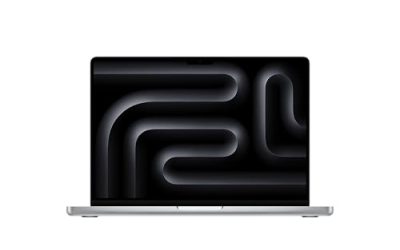
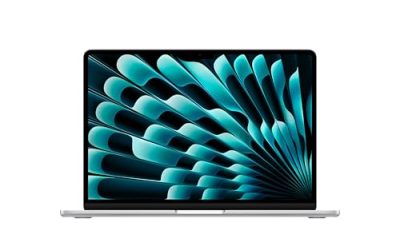
- Best for Mac-based nomads: Apple MacBook Air 13-inch with M4 chip — a 13.6-inch Liquid Retina display, 16GB of unified memory, a 256GB SSD, a 12MP Center Stage camera, and Touch ID in the compact Air form.
- Best for Windows travelers who pack light: LG gram 14 — a 14-inch Copilot+ PC with an AMD Ryzen AI 7 450 processor, 16GB of RAM, and a 1TB SSD, from a range sold on being thin and lightweight.
- Best battery claim on the listing: ASUS Zenbook 14 OLED Q415 — a 14-inch OLED touchscreen with a listing-stated 15-hour battery life, a 75Wh battery, USB-C Easy Charge, and a weight of 2.82 pounds on the listing.
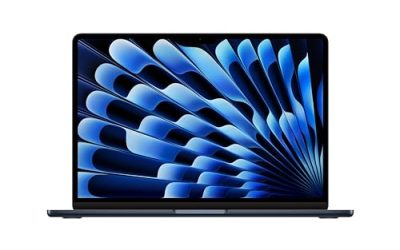
1. Apple MacBook Air 13-inch with M4 chip

The MacBook Air has become the default travel laptop for a reason that has little to do with benchmarks. It is the machine many nomads already see across coworking tables, and this configuration pairs the Apple M4 chip with 16GB of unified memory and a 256GB SSD. For the typical nomad workload — dozens of browser tabs, documents, chat apps, video calls, and light photo work — that memory figure is the comfortable part of this specification, because it leaves headroom for multitasking without stepping up to a larger machine.
The display is a 13.6-inch Liquid Retina panel. That size is a practical travel compromise: large enough for split-screen work between a document and a browser, small enough to open fully on a tray table or a narrow cafe counter. The listing for this configuration also includes a 12MP Center Stage camera, which matters more than it used to. Nomads take client calls from kitchens, balconies, and rented apartments, and the camera is the part of the laptop other people actually see.
Touch ID is the other listing feature worth noting for travel. Unlocking with a fingerprint, and confirming purchases and passwords the same way, is faster and easier than typing a long password in a public place where someone might be watching the keyboard.
A few honest limits apply. The 256GB SSD is the smallest storage figure in this guide, so nomads who keep large local photo or video libraries will lean heavily on cloud storage or an external drive. This configuration is also the Midnight finish on the listing, and darker finishes tend to show fingerprints more than lighter ones — a small thing, but you will see it every day. Finally, if your work depends on Windows-only software, no MacBook belongs on your shortlist at all.
Specifications (from the listing)
- Processor: Apple M4 chip
- Display: 13.6-inch Liquid Retina display
- Memory: 16GB unified memory
- Storage: 256GB SSD
- Camera: 12MP Center Stage camera
- Security: Touch ID
- Color of this configuration: Midnight
Pros
- 16GB of memory suits heavy multitasking with browser-based work
- 12MP Center Stage camera is well matched to a life of remote calls
- Touch ID makes unlocking and signing in quick in public places
- Compact 13.6-inch size fits small tables and carry-on bags easily
Cons
- 256GB of storage fills quickly if you keep media locally
- No Windows option for people tied to Windows-only tools
- Dark finish shows smudges more readily than lighter colors
Check the Apple MacBook Air M4 on Amazon
2. LG gram 14 (Ryzen AI 7 450)

The LG gram line exists for one main purpose: making a full-size laptop feel like less of a burden. This 14-inch configuration is sold as a thin and lightweight laptop computer, and for a nomad, that positioning is the whole point. A 14-inch screen gives you more working room than a 13-inch machine — spreadsheets breathe a little easier, and two windows side by side feel less cramped — while the gram design aims to keep the carry penalty of that larger panel as low as possible.
Inside, the listing specifies an AMD Ryzen AI 7 450 processor with 16GB of RAM and a 1TB SSD, running Windows 11 Home, and the model is listed as a Copilot+ PC. The storage deserves emphasis. A 1TB drive is four times the capacity of the MacBook Air configuration above, and for nomads that difference is practical, not theoretical. Flights, trains, and rural stays all come with slow or missing internet, and having your full project archive, photo library, and offline media on the machine itself removes a whole category of travel friction.
The 16GB memory figure matches the MacBook Air in this guide, which makes the comparison between them mostly about ecosystem and storage rather than multitasking headroom. Writers, marketers, developers working in the browser, and consultants living in office suites will find this specification balanced for the road.
The trade-offs are the usual ones for this class. The listing for this configuration does not put a specific battery-life figure or a specific weight in the title information we could verify, so if either number is decisive for you, read the current listing closely before ordering rather than assuming figures from other gram configurations, which vary. Windows 11 Home also lacks some management features of the Pro edition, which matters to a minority of remote workers whose clients require them.
Specifications (from the listing)
- Processor: AMD Ryzen AI 7 450
- Display: 14-inch
- Memory: 16GB RAM
- Storage: 1TB SSD
- Operating system: Windows 11 Home
- Model: 14Z95U-G.AU76U1, Copilot+ PC
Pros
- 1TB SSD is the most local storage in this guide, ideal for offline work
- 14-inch screen gives more room than 13-inch rivals for split-screen tasks
- Thin and lightweight design brief suits daily carrying
- 16GB of RAM handles typical nomad multitasking comfortably
Cons
- No verified battery-life or weight figure in the listing details checked
- Windows 11 Home rather than Pro
- Larger footprint than the 13-inch pick for very small bags
Check the LG gram 14 on Amazon
3. ASUS Zenbook 14 OLED Q415

The Zenbook 14 OLED Q415 is the pick for nomads who worry about outlets more than anything else. Its listing states a 15-hour battery life and a 75Wh battery, and it describes USB-C Easy Charge, which means topping up over USB-C rather than hunting for a proprietary brick. When one charger standard covers your laptop and the rest of your kit, packing gets simpler and a forgotten adapter stops being an emergency.
The screen is the other headline. The listing describes a 14-inch WUXGA OLED touchscreen at 1920 x 1200 with 500 nits of brightness and a glossy finish, plus an anti-glare coating among its special features. Brightness is what keeps a screen usable near windows and outdoors, and 500 nits is a strong figure on paper for cafe work. OLED also gives deep contrast that makes long reading and writing sessions comfortable, and the touchscreen is handy for scrolling and quick taps when the laptop sits close on a small table.
At 2.82 pounds on the listing, with dimensions of 12.3 x 8.67 x 0.59 inches, this is a genuinely slim machine to carry. The port selection supports the nomad use case too: the listing includes two Thunderbolt 4 ports, a USB 3.2 Gen 1 Type-A port, HDMI 2.1, and a combo audio jack, so connecting a hotel TV, a wired headset, or an older USB accessory does not require a bag full of adapters. Wi-Fi 6E and Bluetooth 5.3 cover wireless needs, and the FHD webcam with a privacy shutter handles calls.
The clear compromise is memory. This configuration lists 8GB of LPDDR5 RAM, soldered, alongside a 512GB SSD and an Intel Core Ultra 5 125H processor. Eight gigabytes is workable for writing, browsing, and calls, but it is half the memory of the other two picks here, and because it is soldered you cannot upgrade it later. Heavy tab users and anyone running many apps at once should weigh that carefully.
Specifications (from the listing)
- Processor: Intel Core Ultra 5 125H, 14 cores
- Display: 14-inch WUXGA OLED touchscreen, 1920 x 1200, 500 nits
- Memory: 8GB LPDDR5, soldered
- Storage: 512GB PCIe NVMe M.2 SSD
- Battery: 75Wh, listing-stated battery life of 15 hours, USB-C Easy Charge
- Weight: 2.82 pounds; 12.3 x 8.67 x 0.59 inches
- Ports: 2 x Thunderbolt 4, USB 3.2 Gen 1 Type-A, HDMI 2.1, audio jack
- Camera: FHD webcam with privacy shutter
Pros
- Listing-stated 15-hour battery life and 75Wh battery for long days out
- USB-C charging simplifies a one-charger travel kit
- 500-nit OLED screen stays bright in lit cafes and near windows
- Slim, light chassis with a useful mix of ports, including HDMI
Cons
- 8GB of soldered memory cannot be upgraded and limits heavy multitasking
- Glossy screen finish can reflect light despite the brightness figure
- Windows 11 Home on this configuration
Check the ASUS Zenbook 14 OLED on Amazon
How to choose a laptop for digital nomad life
Start with weight, because you carry it daily. A laptop that feels fine in a shop becomes a different object after a month of daily walks to a coworking space. The Zenbook in this guide lists 2.82 pounds, and the gram line is built around low weight as its identity. If a listing does not state a weight for the exact configuration, find it before you buy rather than borrowing a figure from a sibling model.
Treat battery claims as a comparison tool, not a promise. Manufacturers measure battery life under their own conditions, so a listing-stated 15 hours will not match a day of video calls and high brightness. Still, the claim and the battery size in watt-hours tell you which machines were designed for long untethered days. A 75Wh battery, as in the Zenbook, is a meaningful signal.
Insist on USB-C charging if you travel light. Charging over USB-C, ideally through Thunderbolt or USB-C ports like the Zenbook’s Thunderbolt 4 pair, means one compact charger can serve the laptop and other gear, and replacements are easy to find in most cities. Proprietary chargers are a single point of failure in a way USB-C is not.
Match the screen to where you actually sit. Brightness, listed in nits, decides whether you can work facing a window. Finishes matter too: glossy screens look vivid but reflect, while anti-glare coatings trade some punch for readability. If you often work outdoors or in bright cafes, prioritize the brightness figure and finish over resolution.
Be honest about storage and memory. Cloud tools make 256GB workable, but only with reliable internet, which nomads do not always have. A 1TB drive removes that worry. For memory, 16GB is the comfortable point for browser-heavy work; 8GB is a budget compromise you will feel in busy weeks.
Check the camera and sign-in method. You will spend hours on calls and unlock the machine in public constantly. A higher-resolution camera and a fingerprint reader or face recognition both earn their place quickly.
FAQs
Is 13 inches or 14 inches better for a digital nomad?
A 13-inch machine packs smaller and fits tray tables more easily, while a 14-inch screen gives noticeably more room for two windows side by side. If your bag has room, the 14-inch picks here are still light; if you fly with a small personal item only, the 13.6-inch MacBook Air is easier to carry.
How much RAM does a digital nomad need?
For writing, browsing, email, and video calls, 16GB is the comfortable choice and both the MacBook Air and LG gram here include it. The 8GB Zenbook configuration suits lighter workloads, but its memory is soldered, so choose with your busiest week in mind.
Why does USB-C charging matter so much for travel?
It lets one charger cover more of your kit, makes replacements easy to source almost anywhere, and works with many power banks and coworking desk setups. The Zenbook listing specifically describes USB-C Easy Charge, and its Thunderbolt 4 ports double as charging and display connections.
Can a nomad rely on 256GB of storage?
Yes, if your files live in cloud storage and you stream media. If you work offline often, edit photos or video, or keep large project archives, the 1TB drive in the LG gram removes a recurring headache.
Does screen brightness really matter in cafes?
Yes. Bright rooms and windows wash out dim screens. The Zenbook lists 500 nits, which is a strong figure for lit spaces, though its glossy finish can still reflect direct light, so seating position matters.
Conclusion
The best laptop for a digital nomad is the one that disappears into the routine: light in the bag, long off the charger, quick to top up over USB-C, and readable wherever you sit down. Choose the MacBook Air M4 if you live in Apple’s ecosystem and want a compact machine with a strong camera and Touch ID. Choose the LG gram 14 if you want Windows, a larger screen, and the most local storage for offline stretches. Choose the ASUS Zenbook 14 OLED if battery life and USB-C charging top your list and your workload fits its 8GB of memory. Whichever you pick, confirm the exact configuration on the Amazon listing before ordering, because memory, storage, and finish change between variants of the same model name.
Related guides
- Best Laptops to Play Roblox: From Budget Integrated Graphics to Dedicated GPUs
- Best Laptops for Zoom Teaching: Clear Video, Reliable Audio and All-Day Class Power
- Best Laptops for Video Editing and Music Production: Power, Screen and Storage
- Best Laptops for Network Engineers: Ethernet, RAM for Labs and Ports That Matter
More from Amazon
Programs that pair well with the guide above. Offers and eligibility are set by Amazon and may change.
Free shipping on eligible items, Prime Video and more. Eligible new members can start with a free trial.
Start a Prime free trialAd-free music streaming. Eligible new subscribers can start with a free trial.
Try Music Unlimited freeA Prime membership for ages 18-24 with a trial period. Eligibility is set by Amazon.
See Prime for Young AdultsAudiobooks and podcasts to listen to on the go. Eligible new members can start with a free trial.
Try Audible freeAs an Amazon Associate we earn from qualifying purchases.
Write Your Review
No reviews yet. Be the first to share your experience!