
Our Short List of 3

- Specs:
- Widths: Narrow, Wide, X-Wide, XX-Wide (10 XX-Wide listed)
- Stretch knit mesh upper
- Bungee lace
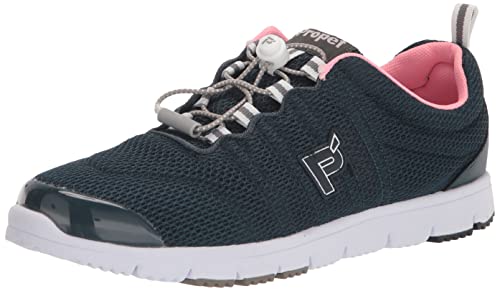
- Specs:
- 10 XX-Wide listed; Wide/X-Wide/XX-Wide widths in the listing family
- Engineered mesh upper
- Bungee lace system with toggle

- Specs:
- Wide toe box
- Ergonomic arch support
- Foam/polyurethane insole
All 3 Picks at a Glance
| Product | Specs | Action |
|---|---|---|
| Propét Women’s TravelBound |
| Check price on Amazon |
| Propét Women’s TravelWalker II |
| Check price on Amazon |
| OrthoComfoot Women’s Orthopedic Diabetic Wide Sneakers |
| Check price on Amazon |
Key takeaways
- Compare 5 wide, extra-depth women's sneakers with soft, seamless interiors for sensitive feet — features, fit, and which one suits your daily routine.
What's inside
As an Amazon Associate I earn from qualifying purchases. This post may contain affiliate links at no extra cost to you.
When feet feel numb, tingly, or easily irritated, an ordinary pair of sneakers can turn a short walk into an uncomfortable chore. Tight toe boxes pinch, stiff seams rub, and a shallow shoe presses down on the top of the foot with every step. For many women living with neuropathy, the right pair is less about style and more about removing those small sources of friction, one walk at a time.
This guide is for women who need room, softness, and gentle support in a shoe they can wear all day. Every sneaker below is a women’s wide-width or extra-depth design with a soft interior, and each one comes from the product details listed on its Amazon page. Read through the picks, check the fit notes, and choose the pair that matches how you actually spend your day.
Quick Picks
As an Amazon Associate we earn from qualifying purchases.
| Product | Best for | Key spec from title |
|---|---|---|
| Orthofeet Women’s Naya Hands-Free | Hands-free wear with a strap closure | Extra-depth design with non-binding uppers |
| Orthofeet Women’s Relay | A roomy lace-up for all-day support | Wide size chart from 5 Wide to 12 Wide |
| Propét Women’s TravelBound | The widest fit range, up to XX-Wide | Stretch knit mesh upper with bungee lace |
| Propét Women’s TravelWalker II | A light, packable walking shoe | Engineered mesh upper with bungee lace toggle |
| OrthoComfoot Women’s Orthopedic Diabetic Wide Sneakers | An adjustable strap fit for sensitive feet | Wide toe box with ergonomic arch support |
How to Choose
Start with width, not length
A shoe can be the right length and still hurt if it is too narrow across the forefoot. Neuropathy often makes feet wider or slightly swollen by the end of the day, so a wide or extra-wide fit gives toes room to spread instead of pressing together. Check whether the listing offers Wide, X-Wide, or even XX-Wide sizes, and try the shoes on in the afternoon when feet are at their fullest. If the widest option still feels tight across the ball of the foot, the shoe is not the right shape for you, whatever the size number says.
Look for extra depth and a roomy toe box
Extra-depth shoes give the top of the foot breathing room, which matters when swelling or a thicker insole is part of the picture. A roomy toe box keeps the toes from rubbing against the sides or the front of the shoe during a normal stride. Together, these two features reduce the pressure points that tend to cause soreness on sensitive feet. Orthofeet’s Naya, for example, pairs an extra-depth design with a roomy wide-toe box, while the Propét TravelBound offers widths up to XX-Wide for the same reason.
Choose a soft, low-friction interior
Seams inside a shoe can chafe skin that does not feel pain the way it should, so a smooth or seamless interior is worth looking for. Stretchable uppers and non-binding designs flex around the foot instead of holding a rigid shape, and soft linings cut down on hot spots. When you try a pair on, run a finger along the inside of the shoe and pay attention to any ridge or stitch line across the toe area. A shoe that feels soft in the hand usually feels soft on the foot too, and that matters more than any cushioning technology on paper.
Think about how you will put them on
Bending down to lace a shoe is not always easy, and a closure that fights you every morning gets old fast. Hook-and-loop straps, bungee laces with a toggle, and hands-free slip-on designs let you step in and adjust the fit without much effort. The Orthofeet Naya uses a strap, the Propét models use a bungee lace, and the OrthoComfoot shoe uses an adjustable strap. If you use custom orthotics, check whether the insole can be removed and replaced, since the TravelBound listing states that its footbed can be swapped for custom orthotics.
The 5 Best Options
Orthofeet Women’s Naya Hands-Free
The Naya stands out because its design was made with sensitive feet in mind, and its listing explicitly names neuropathy among the foot conditions the shoe accommodates. Non-binding uppers and an extra-depth build give the foot room in every direction, while premium orthotic insoles with anatomical arch support provide steady cushioning underfoot. The hook-and-loop strap closure means you can slip the shoe on and adjust the fit without bending over laces, and the water-repellent finish adds a practical touch for damp days.
- Specs:
- Premium orthotic insoles with anatomical arch support
- Non-binding uppers
- Extra-depth design
- Roomy wide-toe box
- Hook-and-loop strap closure
- Water-repellent per listing title
- Best for: Women who want a hands-free, strap-closure shoe built around sensitive feet.
- Watch out for: The strap fit feels different from a lace-up, so check the sizing chart before ordering.
Orthofeet Women’s Relay
The Relay takes a more familiar lace-up shape and fills it with the same comfort-first thinking. Its wide size chart runs from 5 Wide to 12 Wide, so finding a genuinely wide fit is straightforward rather than a matter of luck. The listing describes extra room in the toe area and full support and cushioning all day, which suits long hours on your feet. A synthetic upper keeps the shoe light, and the lace-up closure lets you fine-tune the fit across the instep as the day goes on.
- Specs:
- Wide size chart listed (5 Wide–12 Wide)
- Synthetic upper
- Lace-up closure
- Extra room in the toe area per listing
- Full support and cushioning all day per listing
- Best for: Women who prefer a traditional lace-up with a wide fit and steady all-day support.
- Watch out for: Laces need tying, so it suits those comfortable with a lace-up routine.
Propét Women’s TravelBound
- Specs:
- Widths: Narrow, Wide, X-Wide, XX-Wide (10 XX-Wide listed)
- Stretch knit mesh upper
- Bungee lace
The TravelBound offers the broadest fit range in this guide, with Narrow, Wide, X-Wide, and XX-Wide widths in the listing family. That range makes it a strong option when ordinary wide sizes still feel snug, since the 10 XX-Wide size is listed directly. A stretch knit mesh upper gives a little with the foot, and the bungee lace adjusts quickly without tying. The arch-supporting removable footbed can be taken out and replaced with custom orthotics, which is a useful detail for anyone who already has inserts made for them.
Propét Women’s TravelWalker II
- Specs:
- 10 XX-Wide listed; Wide/X-Wide/XX-Wide widths in the listing family
- Engineered mesh upper
- Bungee lace system with toggle
The TravelWalker II is the lightest-feeling option here, built around a packable, easy-to-carry design that works well for travel and everyday errands alike. Its engineered mesh upper and bungee lace system with a toggle make it quick to slip on and adjust, while the rubber outsole provides grip on everyday surfaces. Widths run through Wide, X-Wide, and XX-Wide in the listing family, with 10 XX-Wide listed, so the roomy fit carries over from its sister model in a simpler, lighter package.
OrthoComfoot Women’s Orthopedic Diabetic Wide Sneakers
- Specs:
- Wide toe box
- Ergonomic arch support
- Foam/polyurethane insole
The OrthoComfoot shoe rounds out the list with an adjustable-strap design aimed squarely at sensitive feet, and its listing ties the design to diabetic and neuropathy-type feet through its features. A wide toe box gives toes room, ergonomic arch support steadies the foot, and a foam and polyurethane insole adds cushioning underfoot. The adjustable strap lets you loosen or tighten the fit through the day, which helps when feet swell in the afternoon or after a long walk.
Which One Fits Your Situation
You want the easiest shoe to put on
Choose the Orthofeet Naya Hands-Free. Its strap closure and hands-free design mean you step in and adjust with one motion, and the extra-depth build plus non-binding uppers keep pressure off the top of the foot. The OrthoComfoot shoe is the backup here if you prefer a different strap style with a wide toe box.
You wear custom orthotics
Choose the Propét TravelBound. Its removable footbed is made to be taken out and replaced with custom orthotics, according to the listing, and the stretch knit mesh upper flexes around the insert without squeezing. The wide range of widths, up to XX-Wide, leaves room for thicker inserts too. The Relay is the fallback if you prefer a lace-up with a wide chart.
You need the widest fit available
Choose the Propét TravelBound or TravelWalker II. Both list XX-Wide widths, with the TravelBound offering the full range from Narrow to XX-Wide. If you also want the lightest shoe of the two, the TravelWalker II’s packable build makes it the easier one to carry and wear on long days. The Relay covers Wide sizes too, but it stops at Wide rather than reaching XX-Wide.
You walk all day and want steady support
Choose the Orthofeet Relay. Its wide size chart and lace-up closure let you dial in the fit, and the listing describes full support and cushioning all day. Its synthetic upper keeps the shoe light enough for long hours without feeling heavy. The Naya is the alternative if you want the same brand’s orthotic insoles in a strap-closure shoe instead.
Common Mistakes
- Buying your usual size in a standard width and hoping it stretches — wide feet need a wide last, not a bigger number.
- Ignoring the inside of the shoe — a rough seam can irritate skin that feels less, so check the interior before wearing a new pair out.
- Choosing a rigid, narrow fashion sneaker because it looks good, then paying for it after an hour on your feet.
- Forgetting that feet swell during the day — a shoe that fits at breakfast may feel tight by dinner, so try shoes on in the afternoon.
- Keeping the factory insole when you already have custom orthotics — check whether the footbed is removable first, as the TravelBound listing confirms it is.
Frequently Asked Questions
What makes a sneaker good for neuropathy?
A good sneaker for neuropathy gives sensitive feet room and softness. Look for a wide or extra-wide fit, an extra-depth design, a roomy toe box, and a smooth or seamless interior that will not rub. A soft upper that flexes with the foot helps too. The shoes in this guide were chosen for exactly those features, as stated on their Amazon listings.
Should I choose a wide or extra-wide size?
Start with Wide if your feet feel snug in standard widths, and move to X-Wide or XX-Wide if the ball of your foot still presses against the sides. Models like the Propét TravelBound list widths up to XX-Wide, so the range is there when you need it. Try shoes on in the afternoon, when feet are at their widest, for the most honest fit.
Can I use my custom orthotics in these sneakers?
It depends on the shoe. The Propét TravelBound listing states that its footbed can be removed and replaced with custom orthotics, which makes it the safest pick for that need. For other models, check the listing or ask the seller whether the insole is removable before ordering, since a glued-in insole cannot be swapped.
Do these shoes treat or cure neuropathy?
No. These sneakers are designed with features that accommodate sensitive feet, such as extra depth, wide toe boxes, and soft interiors, and the listings describe those features. They do not treat or cure any condition. If foot pain or numbness is new or worsening, speak with a doctor or podiatrist about care and footwear advice.
Related guides
More from Amazon
Programs that pair well with the guide above. Offers and eligibility are set by Amazon and may change.
Free shipping on eligible items, Prime Video and more. Eligible new members can start with a free trial.
Start a Prime free trialAd-free music streaming. Eligible new subscribers can start with a free trial.
Try Music Unlimited freeA Prime membership for ages 18-24 with a trial period. Eligibility is set by Amazon.
See Prime for Young AdultsAudiobooks and podcasts to listen to on the go. Eligible new members can start with a free trial.
Try Audible freeAs an Amazon Associate we earn from qualifying purchases.










Write Your Review
No reviews yet. Be the first to share your experience!