
Key takeaways
- Find the best women's sneakers for walking and running, with versatile cushioning, a smooth heel-to-toe roll and durable comfort for both gaits.
What's inside
As an Amazon Associate I earn from qualifying purchases. This post may contain affiliate links at no extra cost to you.
The best women’s sneakers for walking and running are the rare shoes that do two jobs well, instead of doing one job well and the other badly. Many running shoes feel too firm or too narrow for a long walk, and many walking shoes feel too soft or too heavy for a run. A true dual-purpose shoe has to handle a slow heel-to-toe walking stride and a faster, higher-impact running stride, often in the same outing. That is a harder brief than it sounds, and it is why choosing carefully matters.


This guide is for women who mix walking and running in real life: a walk to the park followed by a jog, a run-walk training plan, a commute on foot with a short run at the end, or a holiday where the same pair has to cover a morning run and an afternoon of sightseeing. The shoes below are cushioned road trainers that are comfortable at walking pace and capable at running pace. None of them is a racing shoe, and none of them is a soft, slow walking shoe. They are versatile daily trainers, and each one leans a little differently between the two activities.
The key idea in this guide is transition. A good dual-purpose shoe should feel natural when you slow down and natural when you speed up, without forcing you to change your stride. That means a balanced heel-to-toe drop, cushioning that is soft enough for walking and responsive enough for running, and a fit that stays secure when you pick up the pace. The advice below will help you find that balance.
How to Choose
1. Cushioning that works at both paces
Walking and running load a shoe in different ways. Walking is a slow, rolling motion with a long ground contact time, while running is a faster, higher-impact motion with a shorter contact time. A shoe that is too soft can feel sluggish and unstable when you run, while a shoe that is too firm can feel jarring when you walk. Look for a midsole foam that is both cushioned and responsive: it should compress softly when you walk and spring back quickly when you run. Nitrogen-infused foams and modern EVA blends are good at this, because they combine softness with energy return. Press the midsole and watch how fast it recovers. A slow, dead-feeling foam will not serve you well at running pace.
2. A balanced heel-to-toe drop
Heel-to-toe drop is the height difference between the heel and the forefoot, and it affects how the shoe feels at both paces. A very high drop, around 12 mm, can feel comfortable for walking but can encourage a heavy heel strike when you run. A very low drop, around 4 mm, can feel natural for running but can strain the calves and Achilles on a long walk. For a dual-purpose shoe, a middle drop of around 6 to 10 mm usually works best. It gives enough heel cushioning for walking without forcing a particular running style. If you already know you prefer a low or high drop, stick with what works for your body, but try the shoe at both paces before you commit.
3. A secure fit that stays put when you speed up
A shoe that fits well for walking can feel loose when you run, because running creates more movement inside the shoe. Look for a secure heel collar, a lacing system that lets you lock the midfoot down, and a toe box that is roomy but not so wide that your foot slides around. The heel should not slip when you jog in place, and your toes should not hit the front of the shoe when you stop suddenly. Try the shoes on with the socks you will run in, and jog a few steps in the shop if you can. A shoe that feels secure at a jog will usually feel secure at a walk, but the reverse is not always true.
4. A flexible forefoot and a smooth roll
Both walking and running need a forefoot that bends where your foot bends. Flex the shoe in your hands: it should bend at the ball of the foot, not in the middle of the arch. A shoe that is too stiff in the forefoot will feel clunky when you walk and will fight your stride when you run. At the same time, the shoe needs a smooth heel-to-toe roll, so that the transition from landing to push-off feels natural at any speed. A gentle rocker shape can help here, but it should be mild enough that the shoe still feels stable when you stand still or walk slowly.
5. Breathability and weight for mixed days
A dual-purpose shoe often has to cover a full day: a morning run, a walk to work, and an afternoon on your feet. That means weight and breathability matter. Look for a light mesh upper that lets heat escape, and a midsole that does not feel heavy in the hand. A heavy shoe will tire your legs on a run and feel like a burden on a long walk. At the same time, do not chase the lightest shoe at the expense of cushioning. The best dual-purpose shoes are light for their level of cushioning, not light in absolute terms. Aim for a shoe that feels light when you lift it but still has a substantial midsole.
6. Durability for two kinds of wear
Walking and running wear a shoe in different places. Running wears the outer heel and the forefoot, while walking wears the heel edge and the sole more evenly. A good dual-purpose shoe needs a durable rubber outsole with full coverage in both areas, not just in one. Check that the rubber is thick under the heel and the forefoot, and that there are no large areas of exposed foam that will wear down quickly on pavement. The upper should also be durable, with reinforced overlays where the shoe flexes. A shoe that is built for both activities will last longer than a shoe that is built for one and used for both.
7. Versatility in real life
Think about how you will actually use the shoe. If you run three times a week and walk every day, you need a shoe that can handle both without wearing out too quickly. If you mostly walk and run occasionally, comfort at walking pace matters more than speed. If you mostly run and walk on rest days, responsiveness matters more than plushness. The best dual-purpose shoe for you is the one that matches the balance of your week, not the balance of someone else’s. Be honest about which activity you do more, and let that tip the choice between two similar shoes.
Top Picks
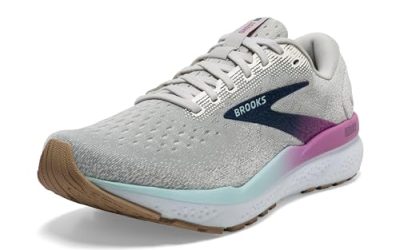
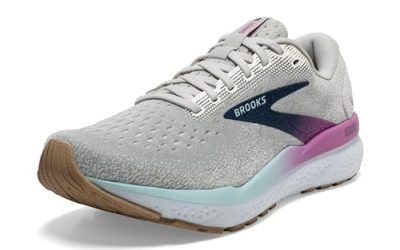
Brooks Ghost 16
The Brooks Ghost 16 is a neutral cushioned road trainer that is equally at home on a walk and a run. Its DNA Loft v3 foam midsole is soft enough for a comfortable walking stride and responsive enough for an easy run, and its 10 mm drop suits walkers who land heel first and runners who do the same. The engineered mesh upper is breathable and flexible, and the shoe comes in a wide range of widths, which helps if your feet swell during a long day.
Key specs include a neutral support type, a DNA Loft v3 midsole, a breathable engineered mesh upper, and a segmented rubber outsole for grip on pavement. It suits women who want one pair for a run-walk training plan, a commute on foot, and a weekend jog. It is a strong choice if you are building up from walking to running, because it feels familiar at walking pace and does not hold you back when you start to run.
Points to note: the Ghost 16 is a daily trainer, not a racing shoe, so it will not feel as fast as a lightweight tempo shoe. Its cushioning is soft rather than firm, so runners who prefer a very firm, responsive feel may find it a little plush. For a versatile shoe that handles both walking and running with equal ease, though, it is one of the most reliable picks in this guide.
Hoka Clifton 9
The Hoka Clifton 9 is a light, highly cushioned shoe with a rocker shape that helps the foot roll forward at any pace. Its thick CMEVA foam midsole is soft for walking and smooth for running, and its low 5 mm drop gives it a natural, balanced feel. Despite the thick sole, it is noticeably light, so it does not feel like a burden on a long walk or a slow run. The breathable mesh upper keeps feet cool on mixed days.
Key specs include a lightweight cushioned midsole, a rockered sole shape, a breathable mesh upper, and a durable rubber outsole. It suits walkers who want to add short runs to their routine without buying a second pair, and runners who want a comfortable shoe for recovery walks and easy days. It is a good choice for holidays and travel, where one pair has to cover a morning run and an afternoon of sightseeing.
Points to note: the rocker shape takes a little getting used to if you are coming from a flat shoe, and it can feel less stable when you stand still. The midsole is soft, so walkers who need firm arch support should try it with their usual insoles. The Clifton 9 is a road shoe, so it is not built for rough trails. For mixed walking and running on pavement, its light weight and smooth roll make it a strong dual-purpose pick.
New Balance Fresh Foam X 1080v14
The New Balance Fresh Foam X 1080v14 is a plush neutral trainer with a thick Fresh Foam X midsole that feels soft at walking pace and smooth at running pace. Its 6 mm drop is a good middle ground for both activities, and the breathable mesh upper has a comfortable, sock-like fit that stays secure when you pick up speed. It comes in multiple widths, including wide and extra-wide, which is a real benefit for walkers and runners who need a roomy toe box.
Key specs include a Fresh Foam X midsole, a breathable engineered mesh upper, a durable rubber outsole, and a wide range of width options. It suits women who want a soft, comfortable shoe for long walks and easy runs, and those who need a wide fit. It is a strong choice for a run-walk plan, where the same pair has to feel good at both paces in the same session.
Points to note: the 1080v14 is soft and flexible, so it does not offer the firm support that a runner with very low arches might need. The outsole is durable for road use, but the shoe is not intended for rough trails. If you are between sizes, try the wide version rather than sizing up in length, because extra length can cause the foot to slide forward when you run downhill. For a soft, roomy, dual-purpose shoe, it is a reliable and comfortable choice.
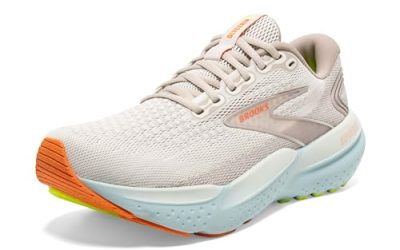
Brooks Glycerin 21
The Brooks Glycerin 21 is Brooks’s softest neutral trainer, built around a thick layer of DNA Loft v3 foam that stays comfortable over long walks and easy runs alike. Its 10 mm drop suits heel strikers in both activities, and its wide platform gives a stable, planted feel that helps when you are tired. The engineered mesh upper is breathable and has a comfortable, slightly roomy fit that works well for feet that swell during a long day.
Key specs include a DNA Loft v3 midsole, a breathable engineered mesh upper, a durable rubber outsole, and a neutral support type with a wide, stable base. It suits walkers who run occasionally and want maximum softness for both, and runners who want a plush shoe for recovery runs and long walks. It is a good choice if comfort is your top priority and you do not mind a slightly heavier, more substantial shoe.
Points to note: the Glycerin 21 is a soft, substantial shoe, so it will not feel as quick as a lighter trainer. Walkers who need firm arch support may want to try it with a supportive insole. It is also a road shoe, so it is not built for trails. For a dual-purpose shoe that prioritises comfort above all else, its deep, resilient cushioning is hard to beat.
Comparison Table
| Shoe | Cushioning | Heel-to-Toe Drop | Upper | Best For |
|---|---|---|---|---|
| Brooks Ghost 16 | Soft, even DNA Loft v3 foam | Around 10 mm | Breathable engineered mesh | Run-walk plans and daily versatility |
| Hoka Clifton 9 | Deep, light CMEVA foam | Around 5 mm | Breathable mesh | Light feel and travel days |
| New Balance Fresh Foam X 1080v14 | Plush Fresh Foam X | Around 6 mm | Breathable mesh, wide options | Roomy fit and easy runs |
| Brooks Glycerin 21 | Deep, soft DNA Loft v3 foam | Around 10 mm | Breathable engineered mesh | Maximum comfort for both activities |
Which One Is Right for You?
If you want one pair that does everything well and you are building up from walking to running, start with the Brooks Ghost 16. Its balanced cushioning, smooth transition, and wide range of widths make it the safest all-rounder in this group, and it feels natural at both paces. It is the pick for a run-walk training plan and for days that mix walking and running without a change of shoes.
If you want the lightest possible feel and a shoe that encourages a smooth roll forward, choose the Hoka Clifton 9. It is the pick for travel and for mixed days when you will be on your feet for hours. Try it first if you have not worn a rockered shoe before, and give yourself a short walk and a short jog to get used to the feel.
If fit is your biggest challenge, especially a wide forefoot, choose the New Balance Fresh Foam X 1080v14. Its width options and sock-like upper make it easier to get a comfortable fit, and its soft midsole is forgiving at both paces. It is a good choice for long walks and easy runs where comfort matters more than speed.
If comfort is your top priority and you do not mind a more substantial shoe, choose the Brooks Glycerin 21. Its deep foam is built for long, comfortable days, and it handles both walking and easy running with ease. Whichever you choose, try the shoes at both paces before you decide, and wear the socks you will actually use.
Frequently Asked Questions
Can one pair of sneakers really work for both walking and running?
Yes, if you choose a cushioned neutral road trainer rather than a specialist shoe. A daily trainer with a balanced drop, responsive cushioning, and a durable outsole can handle both a walking stride and a running stride. The key is to avoid racing shoes, which are too firm and narrow for long walks, and soft walking shoes, which are too heavy and slow for running. A versatile trainer sits in the middle and does both jobs well enough for most people.
Should I use the same shoes for walking and running every day?
You can, but rotating two pairs will make each pair last longer, because foam recovers better when it has a day to rest. If you run several times a week and walk every day, consider using one pair for running and one for walking, or rotating two similar trainers. If you only run occasionally, one good dual-purpose pair is enough, as long as you replace it when the cushioning starts to fade.
How do I know if a shoe is too soft for running?
A shoe that is too soft for running will feel unstable when you pick up the pace, and your foot may wobble from side to side. You may also feel as if you are sinking into the midsole rather than pushing off it. Try a short jog in the shop or on a pavement outside. If the shoe feels secure and the push-off feels smooth, it is probably fine. If it feels wobbly or slow, try a slightly firmer model with a more responsive foam.
Do I need different socks for walking and running?
In most cases, the same moisture-wicking socks work for both, as long as they fit well and do not bunch up. Choose socks made from a synthetic blend or merino wool, rather than cotton, which holds moisture and increases friction. The socks should have cushioning under the heel and forefoot, and they should fit smoothly without wrinkles. Try the socks with the shoes at both paces before a long day, and carry a spare pair if you will be out for many hours.
Disclosure: As an Amazon Associate, we may earn from qualifying purchases.
Related guides
- Best Women’s Sneakers for Walking on Concrete: Cushioned Picks for Hard Pavement
- Best Women’s Sneakers for Walking Long Distances: Comfort That Lasts for Miles
- Best Women’s Sneakers for Walking in Italy: Comfort for Cobblestones and Hills
- Best Women’s Sneakers for Walking Around Europe: Comfort for Cobblestones and City Days
More from Amazon
Programs that pair well with the guide above. Offers and eligibility are set by Amazon and may change.
Free shipping on eligible items, Prime Video and more. Eligible new members can start with a free trial.
Start a Prime free trialAd-free music streaming. Eligible new subscribers can start with a free trial.
Try Music Unlimited freeA Prime membership for ages 18-24 with a trial period. Eligibility is set by Amazon.
See Prime for Young AdultsAudiobooks and podcasts to listen to on the go. Eligible new members can start with a free trial.
Try Audible freeAs an Amazon Associate we earn from qualifying purchases.
Write Your Review
No reviews yet. Be the first to share your experience!