
Key takeaways
- Find the best women's sneakers for plantar fasciitis with arch support, with firm heel counters, deep cushioning and gentle guidance for sore heels.
What's inside
As an Amazon Associate I earn from qualifying purchases. This post may contain affiliate links at no extra cost to you.
The best women’s sneakers for plantar fasciitis with arch support do one thing above all else: they protect a sore heel while you walk. Plantar fasciitis is irritation of the thick band of tissue that runs along the bottom of the foot, from the heel to the toes. It often hurts most with the first steps in the morning, or after sitting for a while, then eases as the foot warms up, only to return after a long day on hard floors. The right shoe cannot cure the condition, and it is not a substitute for medical advice, but it can reduce the strain on that tissue with every step you take.


What helps is a combination that is easy to describe and harder to find in one shoe: a firm heel counter that stops the heel from rolling, a contoured footbed that supports the arch without pressing hard into it, deep cushioning under the heel that softens landing, and a stable midsole that guides the foot instead of letting it collapse inward. Flat, floppy shoes with thin soles do the opposite. They let the arch drop, stretch the plantar fascia, and leave the heel unprotected on hard ground.
This guide covers four women’s sneakers that suit walkers living with plantar fasciitis. They are not identical: one is a stability trainer with guided support, one is a deeply cushioned neutral shoe, one is built around a podiatrist-designed footbed for heel pain, and one is a casual arch-support sneaker for everyday wear. Each is a women’s model sold on Amazon US. Read the guidance first, then match the shoe to your arch shape, your daily distance, and how your heels feel at the end of the day.
A note on break-in: with plantar fasciitis, a new shoe should feel supportive from the first wear, but your feet still need time to adjust. Start with short walks around the house and the neighbourhood, then build distance gradually over a week or two. If heel pain sharpens, or a new ache appears under the arch, step back to shorter walks and check the fit before pushing on.
How to Choose
1. Heel Cushioning and Heel Pain
Heel cushioning matters most at landing, when the heel strikes the ground. Look for a thick, soft heel unit, whether that is a gel insert, a nitrogen-infused foam, or a dense EVA heel cup. The cushioning should absorb impact without letting the heel sink so far that the foot feels unstable. A moderate heel-to-toe drop, around 8 to 12 millimetres, often suits sore heels, because it shifts a little load away from the heel and Achilles tendon and encourages a smooth roll forward.
Check the heel counter as well. Press the back of the shoe between your fingers. A firm counter that resists squeezing and springs back will hold your heel upright through each step. A soft, collapsible counter lets the heel tilt, which stretches the plantar fascia with every stride. If you walk on concrete or tile for hours, heel cushioning and a firm counter are the two features to prioritise above all else.
2. Arch Support That Supports Without Pressing
Arch support for plantar fasciitis should feel like a gentle hand under the arch, not a hard lump. A contoured footbed that follows the curve of your foot spreads pressure and reduces the pull on the plantar fascia. An aggressive, high arch bump can irritate the tissue instead, especially in the first days. If you have low arches, firmer guidance that slows inward rolling usually helps. If you have high arches, a contoured footbed plus softer cushioning fills the gap under the arch and spreads load more evenly.
Removable insoles are valuable here. They let you keep the shoe and change the support, whether that means a firmer insert, a softer one, or a custom orthotic from a podiatrist. Check that the shoe has enough depth in the heel and midfoot to hold an orthotic without pushing your foot up against the top of the shoe. Lace the shoe and walk indoors first, and notice whether the arch support sits under your own arch rather than too far forward or back.
3. Stability and Inward Rolling
Many people with plantar fasciitis overpronate, which means the foot rolls inward more than it should as weight passes through the arch. That inward roll stretches the plantar fascia and can keep heel pain going. Stability features counter it: firmer foam on the inner side of the midsole, a wider base, raised sidewalls, or a guide system that steers the foot toward neutral. These should feel like gentle guidance, not a rigid correction.
To check stability, hold the shoe at the heel and toe and twist it. It should resist twisting through the middle, while still bending at the ball of the foot where your toes bend. A shoe that twists easily offers little control. Also watch how the shoe wears: if the inner heel wears down much faster than the outer heel, or the shoe leans inward on a flat surface, you likely need more stability. Walkers with a neutral gait and high arches may not need firm stability, and too much can feel uncomfortable, so match the level to your own gait.
4. Cushioning Depth and All-Day Comfort
Deep cushioning protects the heel and forefoot over thousands of steps, but it must stay supportive. A midsole that feels plush in the shop and flat by afternoon is not helping. Look for foams that hold their shape, such as nitrogen-infused foams, gel units, or dual-density midsoles that combine a soft top layer with a firmer base. The shoe should feel cushioned at heel strike, smooth through the midfoot, and stable at toe-off, without wobbling when you stand still.
Weight matters too. A heavy shoe adds effort to every step, which can tire the foot and change your gait by the end of a long day. Most of the shoes in this guide weigh between 8 and 10 ounces in women’s sizes, which is a sensible range for a supportive walking shoe. If a shoe feels noticeably heavy in the hand, it will feel heavier still after a few miles, so favour lighter models when cushioning and support are otherwise equal.
5. Fit, Width, and Gradual Break-In
Fit is critical when your heels are sore. A narrow toe box squeezes the forefoot and shifts load onto the heel, while a shoe that is too short jams the toes on downhill slopes. Leave a thumb-width of space in front of your longest toe, make sure your toes can wiggle, and choose a wide width if you have ever sized up just for width. Try both feet, fit the larger foot, and wear the socks you will walk in.
Break new shoes in gradually. Start with short indoor walks, then short outdoor walks, then build distance over a week or two. Wear them for a morning at home before a full day out. If heel pain increases sharply, or a new pain appears under the arch, go back to shorter walks and recheck the lacing and fit. A shoe that needs weeks of painful breaking in is the wrong shoe. Support should be present from the first wear, even if comfort improves as the foam moulds to your foot.
6. Outsole, Surfaces, and When to Seek Help
Walking with plantar fasciitis often means hard surfaces: pavements, tiled floors, and concrete. The outsole needs rubber coverage under the heel and forefoot, with a tread that grips on wet and dry ground. A segmented outsole that flexes with your foot feels more natural than a rigid slab. Check the tread after a few weeks: worn patches under the heel mean the cushioning and support are wearing too, and it is time to plan a replacement.
Know when to seek professional help. If heel pain lasts more than a few weeks, if it stops you walking, if one heel is much worse than the other, or if you notice swelling, numbness, or pain at rest, see a podiatrist, physiotherapist, or doctor. They can check your gait, suggest stretching and strengthening, and advise on orthotics. A shoe is one part of managing plantar fasciitis, alongside rest, stretching, footwear rotation, and, when advised, professional care.
Top Picks
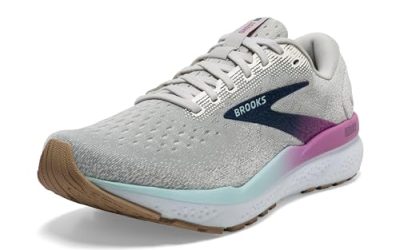
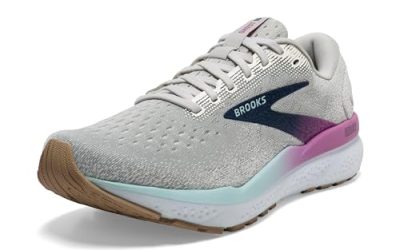
Brooks Adrenaline GTS 24
The Brooks Adrenaline GTS 24 is a women’s stability shoe built to guide the foot and reduce inward rolling, which makes it a natural fit for plantar fasciitis. Its GuideRails support system works like a pair of bumpers, keeping excess movement in check without forcing the foot into a rigid position. The DNA Loft v3 midsole gives soft, even cushioning, and the engineered air mesh upper breathes well on long walks.
Key specs include a GuideRails holistic support system, a nitrogen-infused DNA Loft v3 midsole, an engineered air mesh upper, and a rubber outsole for grip on roads and pavements. The shoe is listed in the women’s department on Amazon, with medium and wide widths in many colourways. The removable insole leaves room for a custom orthotic, and the padded collar holds the ankle without rubbing.
This shoe suits walkers with low arches or overpronation whose heel pain is linked to inward rolling, and who want firm guidance plus soft cushioning for daily walks. Points to note: the support is noticeable, so walkers with high arches or a neutral gait may find it firmer than they need. Break it in gradually over short walks, and check that the GuideRails feel like guidance rather than pressure on the inside of the foot.
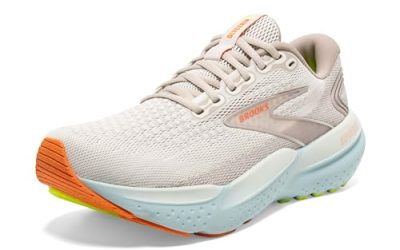
Hoka Bondi 8
The Hoka Bondi 8 is a deeply cushioned women’s shoe with a thick, soft midsole that protects sore heels on hard surfaces. Its stack of compression-moulded EVA foam gives a plush landing, while the early-stage Meta-Rocker geometry encourages a smooth roll from heel to toe. The engineered mesh upper is breathable, and the OrthoLite insole adds comfort underfoot.
Key specs include a thick EVA midsole, a Meta-Rocker geometry for a smooth transition, an engineered mesh upper, an OrthoLite insole, and a Durabrasion rubber outsole. The shoe is listed as a women’s road running shoe on Amazon, in White/White and other colourways, with a roomy fit through the forefoot. The heel is well cushioned and the collar is padded, which helps walkers who need heel protection for hours at a time.
This shoe suits walkers who want maximum heel cushioning above all else, including people who walk on concrete, stand for long periods, or find firmer stability shoes uncomfortable. Points to note: the thick midsole can feel tall and soft at first, so start with short walks. The support is neutral rather than firm, so walkers with strong overpronation may need an added insole or a stability model alongside it.
Vionic Fortune
The Vionic Fortune is a women’s performance sneaker designed for heel pain and plantar fasciitis, with a podiatrist-designed footbed at its core. Its Three-Zone Comfort system gives a contoured arch, a deep heel cup, and cushioning under the forefoot, which together support natural alignment from the ground up. The listing describes it as a supportive active walking shoe for heel pain and plantar fasciitis with arch support.
Key specs include a podiatrist-designed Three-Zone Comfort footbed, a deep heel cup, a breathable mesh upper, and a durable rubber outsole. The shoe is listed in the women’s department, with a lace-up closure that lets you adjust fit through the midfoot. The footbed is built in, so the arch support is present from the first wear, and the heel cup helps keep the heel centred as you walk.
This shoe suits walkers who want a shoe designed specifically around heel pain, with a deep heel cup and a contoured footbed, for daily walking and active use. Points to note: the arch contour is firm and noticeable, so walkers with very high arches should try it first to check the shape matches their foot. The fit is athletic, so check length and width carefully, and break it in with short walks before a long day.
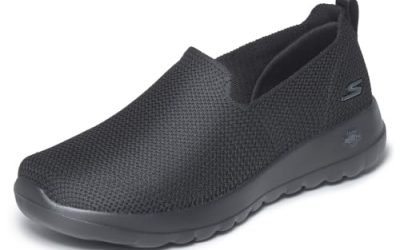
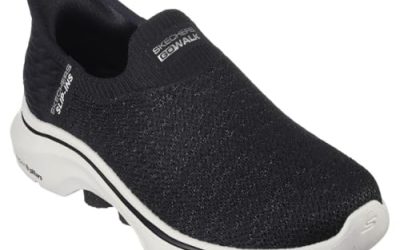
Skechers Arch Fit Arcade Meet Ya There
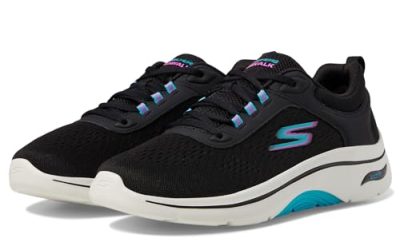
The Skechers Arch Fit Arcade Meet Ya There is a women’s casual sneaker with a podiatrist-certified Arch Fit insole system, which gives a contoured shape under the arch in a shoe that looks at home with everyday clothes. The cushioned midsole and flexible outsole make it comfortable for walking, errands, and travel, while the lace-up closure lets you adjust the fit.
Key specs include a podiatrist-certified Arch Fit insole, a cushioned midsole, a canvas-style upper with a lace-up closure, and a flexible rubber outsole. The shoe is listed in the women’s department on Amazon, with wide widths available in many colourways. The insole is removable, so you can swap in your own orthotic if you prefer, and the relaxed fit through the forefoot suits walkers who need toe room.
This shoe suits walkers who want built-in arch support in a casual, everyday sneaker, for errands, travel, and shorter walks, rather than a technical running shoe. Points to note: the cushioning is lighter than a premium cushioned trainer, so very long walks may feel firmer underfoot. The arch support is moderate, so walkers with severe overpronation may need a firmer stability shoe for their longest walks.
Comparison Table
| Shoe | Arch Support | Heel Cushioning | Stability | Upper | Best For |
|---|---|---|---|---|---|
| Brooks Adrenaline GTS 24 | Firm, guided | Soft DNA Loft v3 | Firm GuideRails | Engineered mesh | Overpronation, inward rolling |
| Hoka Bondi 8 | Moderate, neutral | Deep, thick EVA | Neutral, rocker roll | Engineered mesh | Maximum heel cushioning |
| Vionic Fortune | Firm, contoured footbed | Deep heel cup | Supportive, aligned | Breathable mesh | Heel pain, daily walking |
| Skechers Arch Fit Arcade | Moderate, contoured insole | Cushioned midsole | Moderate, casual | Canvas-style | Everyday wear, built-in support |
Which One Is Right for You?
Choose the Brooks Adrenaline GTS 24 if your feet roll inward and you want firm, guided support plus soft cushioning for daily walks. Choose the Hoka Bondi 8 if heel cushioning is your top priority and you walk on hard surfaces or stand for long periods. Choose the Vionic Fortune if you want a shoe built around a podiatrist-designed footbed for heel pain, with a deep heel cup and a contoured arch. Choose the Skechers Arch Fit Arcade Meet Ya There if you want built-in arch support in a casual sneaker for errands, travel, and shorter walks.
If you are unsure, start with your gait and your worst symptom. Inward rolling points toward the Adrenaline, sore heels on concrete point toward the Bondi 8, a need for a deep heel cup points toward the Vionic Fortune, and a wish for a casual everyday shoe points toward the Skechers Arcade. Whichever you choose, break it in gradually, wear the right socks, and seek professional advice if heel pain persists, worsens, or stops you walking.
Frequently Asked Questions
What should I look for in a sneaker for plantar fasciitis?
Look for a firm heel counter, a contoured footbed that supports the arch without pressing hard, deep cushioning under the heel, and a stable midsole that resists twisting. A moderate heel-to-toe drop often helps, and a removable insole lets you add an orthotic. Avoid flat, floppy shoes with thin soles, because they let the arch drop and leave the heel unprotected on hard ground.
How long does it take to break in new sneakers with plantar fasciitis?
Start with short indoor walks, then short outdoor walks, and build distance gradually over a week or two. Support should feel present from the first wear, even if comfort improves as the foam moulds to your foot. If heel pain sharpens or a new ache appears under the arch, go back to shorter walks and check fit and lacing. A shoe that needs weeks of painful breaking in is the wrong shoe.
Can I wear my orthotics in these sneakers?
Yes, if the shoe has a removable insole and enough depth to hold the orthotic without pushing your foot up. The Brooks Adrenaline GTS 24, Hoka Bondi 8, and Skechers Arch Fit Arcade all have removable insoles, and the Vionic Fortune has a built-in contoured footbed that many walkers use as it comes. Try the orthotic in the shoe and walk indoors first, checking that your heel sits in the heel cup and your toes still have room.
When should I see a doctor about heel pain?
See a podiatrist, physiotherapist, or doctor if heel pain lasts more than a few weeks, stops you walking, affects one heel much more than the other, or comes with swelling, numbness, or pain at rest. They can check your gait, suggest stretching and strengthening, and advise on orthotics and footwear. A shoe helps manage plantar fasciitis, but it is not a substitute for professional care when pain persists.
Disclosure: As an Amazon Associate, we may earn from qualifying purchases.
Related guides
- Best Women’s Sneakers for Walking on Concrete: Cushioned Picks for Hard Pavement
- Best Women’s Sneakers for Walking Long Distances: Comfort That Lasts for Miles
- Best Women’s Sneakers for Walking in Italy: Comfort for Cobblestones and Hills
- Best Women’s Sneakers for Walking Around Europe: Comfort for Cobblestones and City Days
More from Amazon
Programs that pair well with the guide above. Offers and eligibility are set by Amazon and may change.
Free shipping on eligible items, Prime Video and more. Eligible new members can start with a free trial.
Start a Prime free trialAd-free music streaming. Eligible new subscribers can start with a free trial.
Try Music Unlimited freeA Prime membership for ages 18-24 with a trial period. Eligibility is set by Amazon.
See Prime for Young AdultsAudiobooks and podcasts to listen to on the go. Eligible new members can start with a free trial.
Try Audible freeAs an Amazon Associate we earn from qualifying purchases.
Write Your Review
No reviews yet. Be the first to share your experience!